 Ultimate guide
7 Tennis and Bike Spots in Ventura County for Active Living
Last Updated: November 20, 2026
Quick Summary
Ventura County tennis splits between coastal parks in Ventura and Oxnard and inland facilities in Ojai and the Conejo Valley corridor. Reservation rules vary by city, so check each parks and recreation page for hours, booking windows, and permit requirements before you plan around a court.
- Coastal paths are flat, paved, and separated from cars, making them the safest entry point for beginners.
- Plan your turnaround with the wind at your back, since the afternoon sea breeze creates headwind on the return.
- Inland canyon climbs are hillier, hotter, and quieter, with scarce shade and spread-out services.
- A city league is the fastest way for returning adults to get consistent matches at their level.
- Tennis first, cycling second: doing it in reverse leaves your legs flat for the court.
Table of Contents
- Tennis Courts Ventura: Public Parks and Facilities Worth Knowing
- Tennis Lessons Ventura: Group Clinics, Coaching and Skill Building
- Private Tennis Lessons Ventura: One-on-One Coaching for Faster Progress
- Ventura County Bike Routes: Coastal, Inland and Distance Options
- Finding Tennis Partners and Local Groups
- Combining Tennis and Cycling: A Sample Half-Day Itinerary
- Safety, Gear and Accessibility Essentials
- Planning Your Move to an Active Ventura County Neighborhood
- Frequently Asked Questions
Tennis Courts Ventura: Public Parks and Facilities Worth Knowing
Ventura County tennis and cycling reward people who want to do both in the same weekend. The county's public park system, coastal bike paths, and inland trails make it possible to warm up on a court in the morning and log a coastal ride before lunch.
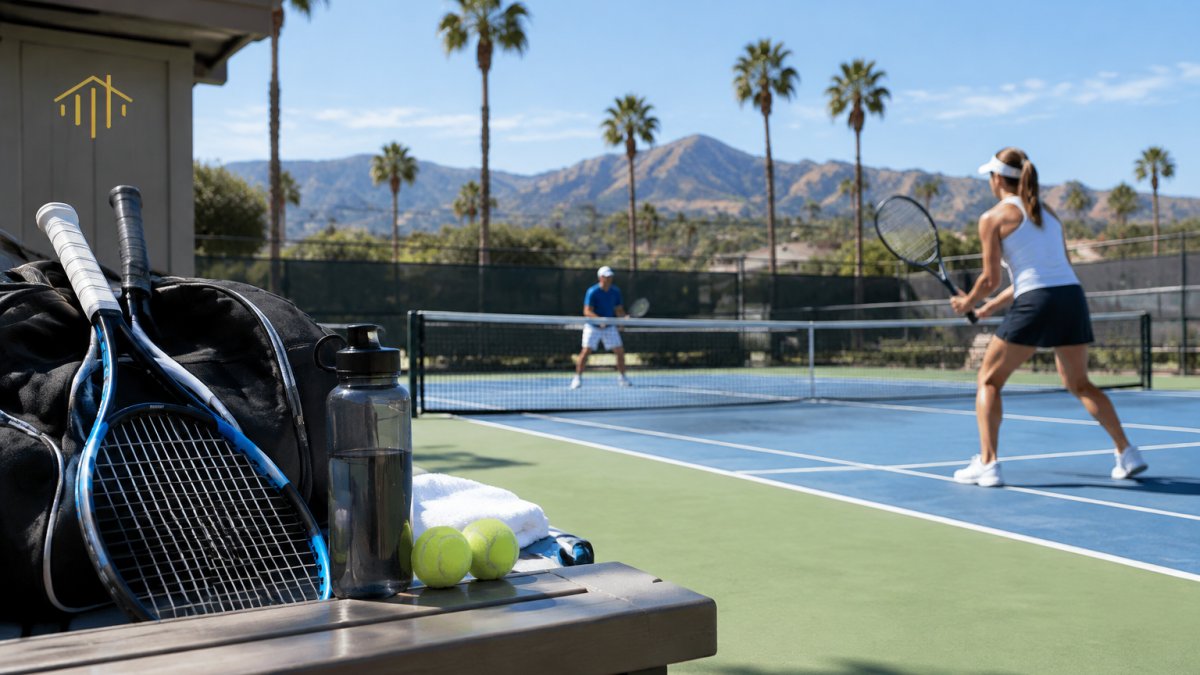
Ventura County tennis access is best understood as a tale of two halves: the coastal parks in Ventura and Oxnard, and the inland facilities in Ojai and the Conejo Valley corridor.
Reservation Systems and Access Details
Reservation rules vary by city, and this is where new residents get tripped up. Some cities let you book courts online days in advance; others hold courts for drop-in play only and post a sign-up sheet at the gate. A common mistake is assuming a court you saw on a map is open to the public, when it's actually tied to a school or a private club.
Before you commit to a neighborhood, check the specific city's parks and recreation page for current hours, reservation windows, and any permit requirements for organized play. Rules change seasonally, and lighting schedules often differ from daytime hours.
Court Conditions and What to Expect
Surface quality can vary across the county, so it is worth checking a court in person before you plan around it.
Tennis Lessons Ventura: Group Clinics, Coaching and Skill Building
Group clinics are the fastest way for a recreational player to improve without committing to a private coach.
For adults picking the game back up after years away, a group clinic is the right first step. You'll get reps, meet people at your level, and find out quickly whether you want to invest in private coaching.
Private Tennis Lessons Ventura: One-on-One Coaching for Faster Progress
Private coaching is the fastest route to fixing a specific problem, and it's usually worth it once you know what you want to work on.
Ask three questions before you book a private coach:
- What's your cancellation policy?
- Do you provide balls, or do I bring my own?
- Can you send video feedback between sessions?
Ventura County Bike Routes: Coastal, Inland and Distance Options
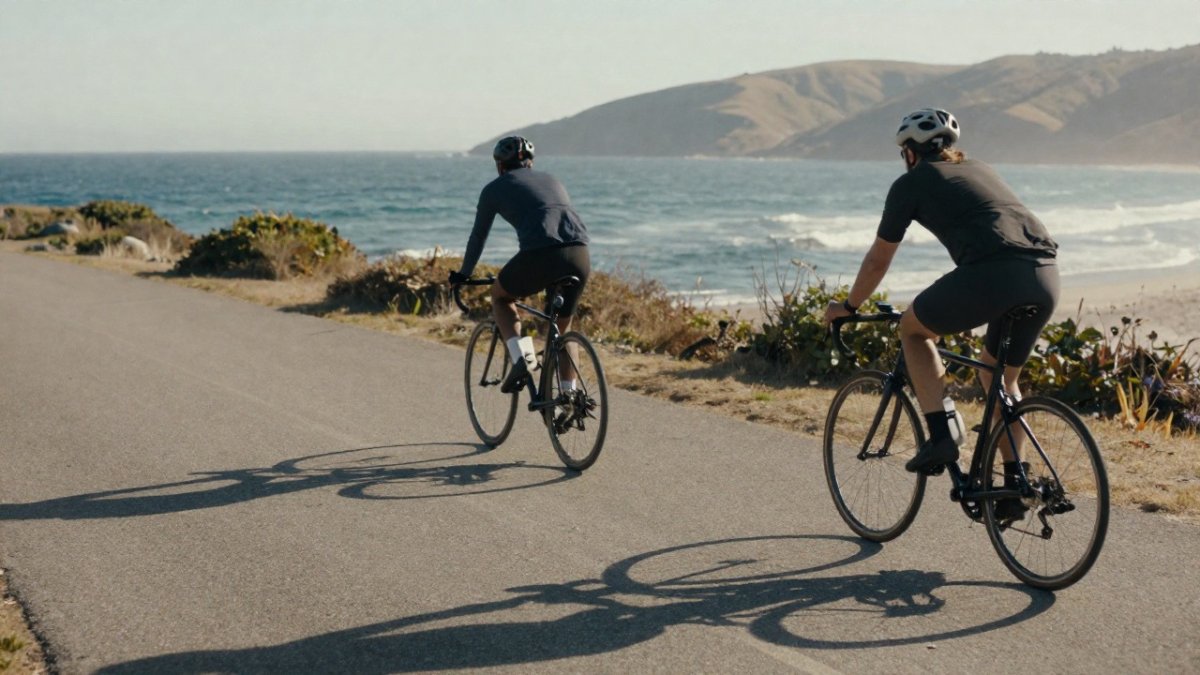
Routes can be grouped by where you start, how far you go, and what the terrain demands, so you can match one to your fitness and schedule.
Ventura County bike routes fall into four practical families: flat coastal path spins, rolling coastal road loops, inland canyon climbs, and long mixed-surface county loops. The California Office of Traffic Safety bicycle safety guidance is worth reviewing before your first coastal ride, especially around traffic and lane positioning.
The Four Route Families, Compared
| Route Family | Typical Distance | Terrain and Surface | Traffic Exposure | Best For |
|---|---|---|---|---|
| Coastal path out-and-back | 10-20 miles | Flat, paved, separated from cars | Low | Beginners, recovery days, family rides |
| Rolling coastal road loop | 20-40 miles | Gentle rollers, paved shoulders | Moderate | Recreational riders with some road confidence |
| Inland canyon climb | 40-65 miles | Sustained climbing, heat, narrow sections | Low to moderate | Fit riders with base miles and climbing legs |
| Full-day county loop | 65+ miles | Mixed, exposed, long gaps between services | Variable | Experienced riders with route knowledge |
Coastal Path Rides
Separated paved paths are the safest entry point and the easiest place to build base fitness. These routes are flat, largely car-free, and busy on weekend mornings. The trade-off is wind: coastal paths are exposed, and the afternoon sea breeze can turn an easy outbound leg into a headwind grind on the return. Plan your turnaround with the wind at your back, not just by distance.
Rolling Coastal Road Loops
Once you are comfortable in light traffic, the rolling coastal roads add distance and gentle climbing without the sustained grades of the inland canyons. These loops mix paved shoulders with sections where you share the lane, so group riding and visible clothing matter more here than on the paths.
Inland Canyon Climbs
Inland routes are hillier, hotter, and quieter. Shade is scarce, services are spread out, and afternoon heat builds fast. Riders who do well here carry more water than they think they need, start before the heat, and know where the next refill point is. These are not first-ride routes.
Starting Locations and Parking
Watch out: a route that looks short on a map can include a long, exposed climb with no shade or services, so check elevation gain and refill points before committing, not just distance.
Matching a Route to Your Skill Level
Beginners should stay on separated paths until they can hold a steady line, signal turns, and handle wind without drifting. Recreational riders can add rolling road loops once they are comfortable sharing lanes. Climbing routes and full-day loops are for riders with base fitness, route knowledge, and a plan for heat and hydration. If you are new to the area, ride a route with someone who knows it before you ride it alone.
Finding Tennis Partners and Local Groups
Finding players is easier than most newcomers expect, but it takes one deliberate step rather than waiting to be asked. The channels below are ordered from most structured to least, and each has a different fit depending on whether you want match play, casual hitting, or a junior pathway.
City-Run Leagues and Ladders
City parks and recreation departments are the most structured route. Leagues group players by skill level, run on a fixed schedule, and give you a season of guaranteed matches rather than a one-off hit. Ladders are more flexible: you challenge players above you and move up by winning. For adults returning to the game, a league is usually the fastest way to get consistent match reps and meet people at your level.
Club Drop-In Sessions
The advantage is volume: you meet many players in one session and quickly learn who matches your level and schedule. The trade-off is variable quality, so ask the front desk how sessions are grouped before you commit.
Junior Team Tennis Programs
For kids moving from lessons to match play, junior team tennis is the standard pathway. It gives structure, coaching, and match experience that lessons alone cannot replicate, and it teaches scorekeeping, positioning, and sportsmanship in a team setting.
Community Boards and Informal Groups
Community boards, neighborhood groups, and local hitting-partner boards are the least structured option but useful for casual play. Quality varies, so treat the first session as a trial and confirm level and schedule expectations up front.
A Practical Match-by-Level Guide
| Your Situation | Best First Step | Why |
|---|---|---|
| Adult returning after years away | City league at your level | Guaranteed matches, structured grouping |
| New to the area, unknown level | Club drop-in session | Meet many players fast, gauge your level |
| Junior moving from lessons | Team tennis program | Match experience and coaching in one |
| Casual, flexible schedule | Community board or informal group | Low commitment, easy to trial |
Watch out: joining a group above your level too early can be discouraging and can slow your progress, so be honest about your rating and ask how sessions are grouped before you commit.
What to Bring and How to Be a Good Partner
Show up with your own racquet, a can of balls, and water, and confirm in advance whether the group supplies balls. Arrive early, warm up properly, and communicate your level honestly. The players who get invited back are the ones who are reliable, pleasant, and clear about what kind of session they want.
Combining Tennis and Cycling: A Sample Half-Day Itinerary
You can pair both activities in a single morning without overdoing it. Here's a practical half-day template:
- 7:00 a.m. - Court session, 60-75 minutes, serve and footwork focus
- 8:30 a.m. - Coffee and a real breakfast, not just a bar
- 9:30 a.m. - Coastal bike path spin, 15-20 miles, easy effort
- 11:30 a.m. - Back before the wind builds
The key is sequencing: tennis first while you're fresh, cycling second as active recovery. Doing it in reverse leaves your legs flat for the court.
If you want more family-friendly options to round out the morning, our guide to family activities in Ventura County suburbs covers parks and outings that work for mixed-age groups.
Safety, Gear and Accessibility Essentials
Safety basics matter more on a bike than on a court, and the gap between prepared and unprepared riders shows up fast. A helmet, working lights, and a basic flat kit cover most coastal and inland rides.
- Helmet and visible clothing on every ride
- Front and rear lights, even in daylight on coastal roads
- Flat kit, spare tube, and a working pump
- Hydration for inland routes, where shade is scarce
- Court shoes with real lateral support, not running shoes
Accessibility varies by facility. Some courts and paths are fully accessible; others have uneven surfaces or limited parking. Check the specific city's parks page before you plan around a facility.
Planning Your Move to an Active Ventura County Neighborhood
Where you buy determines how easily you can play, and that's a real factor in the decision. Proximity to a court and a bike path changes your weekly routine more than most buyers expect.
We help buyers and sellers weigh the trade-offs that matter to them in Ventura County. If you're relocating, our Ventura County relocation guide covers neighborhoods, commute times, and a planning checklist, and our breakdown of the best neighborhoods in Ventura County compares access to outdoor recreation alongside schools and cost of living. Commuters who want both bike access and a workable drive should start with our guide to commuter neighborhoods in Ventura County.
Finding the right neighborhood for the way you actually spend your weekends takes local knowledge, not just a listing search. 805forsale.com helps buyers and sellers work through exactly that, from listing your home to negotiating a purchase as a buyer, including dedicated support for veteran buyers. Get started with 805forsale.com and match your next home to the courts and trails you'll actually use.
Frequently Asked Questions
Where can you play tennis in Ventura County?
Check each city's parks department for current hours, access rules and reservation details before you go.
What are some bike routes in Ventura County?
Ventura County bike routes cover both coastal and inland terrain, so you can choose a route that matches your fitness and schedule.
Can you combine a tennis outing with a bike ride in Ventura County?
Yes, a combined tennis and cycling day is possible. Plan your route and gear so the tennis stop fits your ride.
How can you find local tennis partners in Ventura?
Local tennis partners can often be found through city recreation programs, group clinics and community boards at public courts.