 blog
Best Commuter Neighborhoods in Ventura County
Last Updated: November 16, 2026
Quick Summary
The best commuter neighborhoods in Ventura County are generally those with quick access to the 101, 118, or 126 freeways or a nearby Metrolink station. Coastal 101 corridor towns offer the most direct routes toward Los Angeles, while inland areas trade longer drives for more space and lower housing tiers. Test your actual route at rush hour before committing to any area.
- Drive your actual route at your departure hour at least three times before deciding.
- Compare freeway on-ramp proximity and rail station access for each candidate neighborhood.
- Direction and time of day matter more than mileage for commute length.
- Compare total monthly cost including gas and driving time, not just housing price.
- Check whether a neighborhood's rail station is a short drive or a long one.
Table of Contents
- How We Compared Ventura County Commuter Neighborhoods
- Best Areas in Ventura County for LA Commuters
- Commute Times by Destination and Time of Day
- Freeway, Rail and First/Last-Mile Access Compared
- Neighborhood Comparison Table and Housing-Cost Tiers
- Towns in Ventura County: Pros and Cons for Commuters
- Using a Ventura Neighborhoods Map to Choose Your Commute
- Choosing Your Commuter Neighborhood: Next Steps
- Frequently Asked Questions
How We Compared Ventura County Commuter Neighborhoods
805forsale.com helps buyers and sellers across Ventura County, and the commute is one of the first questions many home searchers ask. Choosing a neighborhood on price alone often means a daily drive that wears people down. This guide compares places that make sense for people who need reliable access to Los Angeles and other job centers.
Our approach weighs four factors: drive time to major destinations, freeway access, rail and transit options, and the general cost tier of housing. Freeway access and rail proximity are the factors that shape a commute, and they are worth checking for each neighborhood. Housing cost is shown as a relative tier, not as a list of prices, because real figures shift with the market and each property.
Commute reliability matters as much as distance. A 40-mile route can be easier than a 15-mile route at the wrong hour (Travel Time Reliability: Making It There On Time, All The Time - Brochure). That is why travel times through the day are worth examining.
Best Areas in Ventura County for LA Commuters
Some areas give commuters a clear edge, while others trade a longer drive for more space or a lower housing tier. Explore where AeroVironment's Simi Valley workforce actually lives and commutes to see how local employees choose their base. The right choice depends on where you work and how often you travel.
Areas closest to the 101 corridor generally offer the most direct routes toward Los Angeles. Towns along that stretch are a common starting point for people heading to the San Fernando Valley and beyond.
Quick comparison of commuter profiles:
- Shortest drive to LA: Areas on the eastern edge of the county, closest to the 118 and 126 links
- Best freeway options: Neighborhoods near the 101 with multiple on-ramps
- Best rail access: Communities near Metrolink stations, useful for those who prefer not to drive
- Most space for the money: Inland towns with a longer commute but a lower relative housing tier
If your job is in the San Fernando Valley, start your search along the 101 and compare two or three towns at rush hour before you commit. Driving the route yourself is a practical way to test a commute. If you want help lining up test drives against specific listings, a Buyers agent can help you build a shortlist.
Commute Times by Destination and Time of Day
Drive time is rarely a fixed number. See rush-hour drive times to Amgen, Amazon, NBVC, and Kaiser from five cities for route-by-route figures.
The county's commute geography breaks into three practical corridors. The 101 runs the coastal spine from Ventura through Oxnard, Camarillo, and Thousand Oaks toward the Conejo Grade and the San Fernando Valley. The 118 cuts inland from Simi Valley toward the west Valley. The 126 links the Santa Clara River Valley towns toward the 5 and the Newhall Pass.
Time-of-day patterns to plan around. Morning peak on the 101 typically builds between roughly 6:30 and 9:00 a.m., with the worst stretch on the southbound side approaching the grade and the Valley.
How to test it without guessing. Drive your actual route at the hour you would leave, at least three times over two weeks, and log departure time, arrival time, and any incident delays. Compare a Monday, a midweek day, and a Friday, because they behave differently. If you can, test the backup route too, the 118 versus the 101, or the 126 versus the 101, so you know what you would do on a bad day.
Watch out: a single "typical" drive time from a mapping app reflects one moment, not a distribution.
Freeway, Rail and First/Last-Mile Access Compared
Freeway access shapes daily life more than most buyers expect. Proximity to a major on-ramp can save several minutes each way, and it also affects how easily you can run errands or get home during an incident.
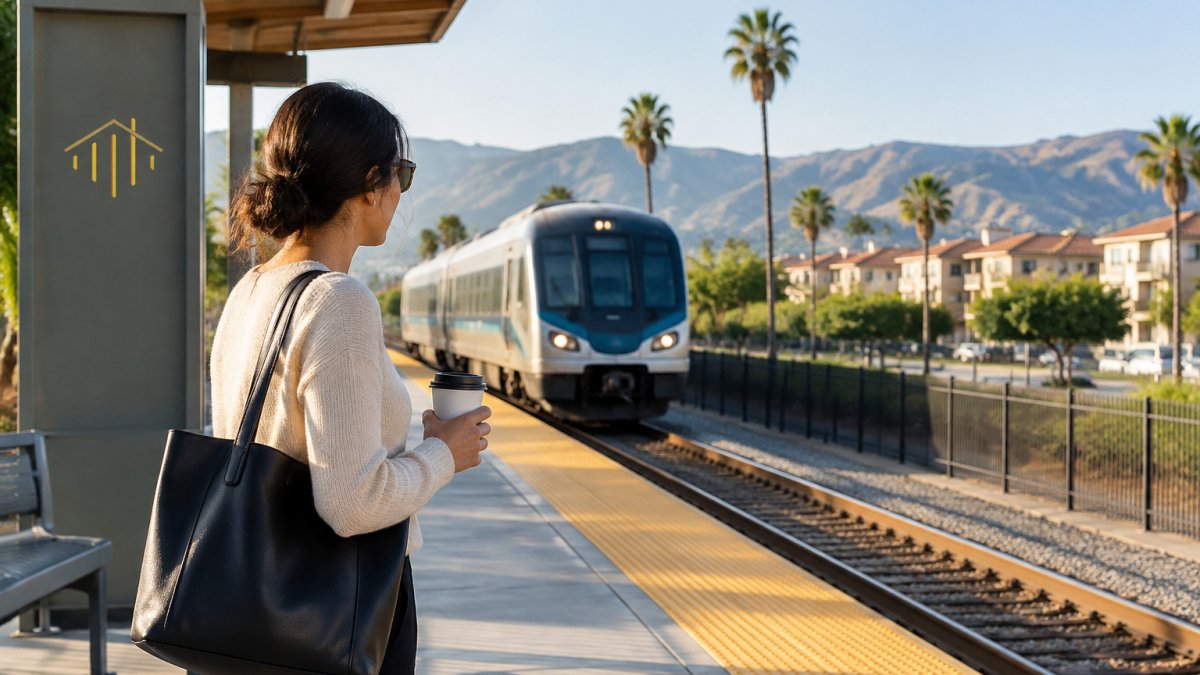
Rail adds another layer. Commuter rail can be a strong option for people whose jobs are near a station in Los Angeles, though it only helps if you can reach the station easily. That is the first/last-mile question.
When you compare neighborhoods, ask three questions:
- How quickly can I reach the nearest freeway on-ramp?
- Is there a rail station within a short drive or walk?
- What does the first mile of my commute look like at peak hours?
Answering these questions for each candidate neighborhood will reveal differences that a simple distance figure hides.
Neighborhood Comparison Table and Housing-Cost Tiers
The table below summarizes how the main commuter neighborhoods compare on access and relative housing cost. It is a planning tool, not a price list. Local listings change constantly, so verify current conditions with an agent before making decisions.
| Area Profile | Main Freeway Access | Rail Access | Relative Housing Tier | Best For |
|---|---|---|---|---|
| Coastal 101 corridor | 101, multiple on-ramps | Limited, drive to station | Higher | Short LA commute, coastal lifestyle |
| Inland 118/126 links | 118, 126 | Nearby stations | Moderate | Balanced commute and space |
| Eastern county edge | 118, 126 | Varies by town | Moderate to lower | Shorter drive toward LA |
| Outer inland towns | Longer freeway drive | Drive required | Lower | Budget-focused buyers willing to commute longer |
Housing-cost tiers are relative indicators, not guaranteed figures. A "higher" tier area can still offer value, and a "lower" tier town may come with a longer daily drive that offsets the savings. Compare total monthly cost, including gas and time, rather than the sticker price alone.
Towns in Ventura County: Pros and Cons for Commuters
Citywide pros and cons hide the differences that matter most. Compare finance worker housing near Moorpark and Westlake Village, including rents and neighborhoods before you decide.
Oxnard and the coastal communities
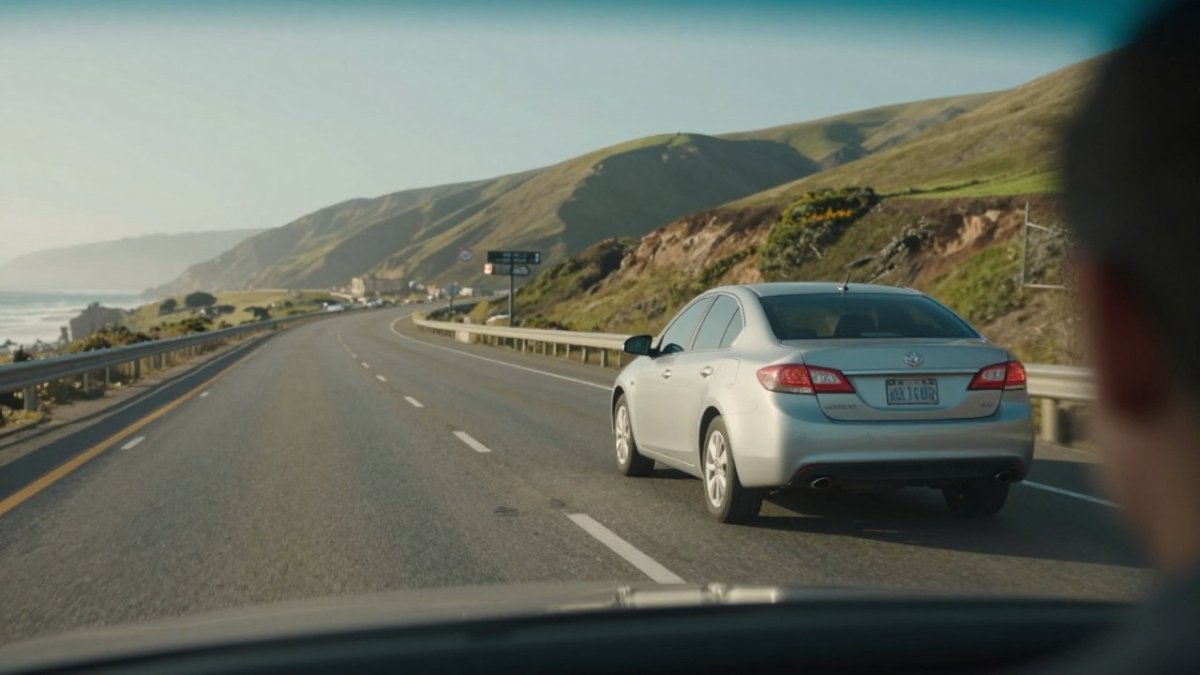
- Pros: Strong coastal access and local amenities, with a housing tier generally below the priciest coastal towns. Neighborhoods near the 101 on-ramps on the north side of town reach the freeway quickly; the Channel Islands Harbor and beach areas trade a few minutes of surface streets for the coastal setting.
- Cons: The 101 through Oxnard and toward Camarillo is one of the heavier morning stretches, and coastal neighborhoods add surface-street time before the freeway.
- Best for: Commuters who value the coast and can absorb a busy morning drive, especially those whose destination is reachable without crossing the Conejo Grade.
Camarillo and Ventura
- Pros: Camarillo sits directly on the 101 with multiple on-ramps and a Metrolink station, making it one of the more balanced commuter bases in the county. Ventura offers the 101 and the 126 junction, plus a downtown rail station, which gives midtown and east-side neighborhoods quick freeway and train access.
- Cons: Housing runs in a higher relative tier, and the drive to Los Angeles is longer than from the eastern towns. Ventura's west side and hillside neighborhoods add surface-street time to reach either freeway.
- Best for: Buyers who want a balance of amenities, rail access, and freeway options, and who can accept a longer haul to the Valley.
Thousand Oaks and Simi Valley
- Pros: Thousand Oaks puts the 101 through the middle of town and the 23 nearby, with neighborhoods on the Newbury Park side closer to the grade and the Valley. Simi Valley offers the 118 and the 126, generally shorter drives toward the west Valley, and a Metrolink station on the eastern side of town.
- Cons: Housing costs run moderate to higher, and some neighborhoods sit well away from rail. The Conejo Grade remains the defining bottleneck for Thousand Oaks commuters heading south.
- Best for: Commuters heading toward the Valley who want convenient freeway routes, with Simi Valley the stronger pick for 118-corridor destinations.
Ojai and outer inland towns
- Pros: More space, a quieter setting, and a lower relative housing tier. The 126 and 33 provide the main links out.
- Cons: The commute is longer, rail access is limited, and a car is essential. The 33 and 150 routes are scenic but slow, and the 126 adds time before you reach the 101 or the 5.
- Best for: Buyers who prioritize space and can accept a longer daily drive, or who work locally or remotely most days.
Neighborhood-level trade-offs to check before you commit. Within each town, ask which on-ramp you would actually use, how many traffic lights sit between your street and that ramp, and whether a rail station is a short drive or a long one. If you are weighing a listing in one of these towns, a Listing agent can help you compare specific addresses against your route.
Skip if: you need a short, predictable commute to Los Angeles five days a week. Commuters with a fixed, short schedule may be better served by the eastern edge of the county, or by a neighborhood within a short drive of a rail station.
Using a Ventura Neighborhoods Map to Choose Your Commute
A map is one of the most useful tools in the search, but only if you read it with commute data in mind. Start by marking your workplace or the station you would use.
Look at the freeway lines, the rail stations, and the distance from each town to the 101, 118, and 126. Note which areas sit between your destination and the coast, since those may face heavier traffic on certain days.
Many people use a ventura neighborhoods map alongside a simple spreadsheet. List each candidate area, its estimated drive time at your peak hour, and its relative housing tier.
Choosing Your Commuter Neighborhood: Next Steps
Choosing the right neighborhood comes down to matching your commute to your life. Use this framework for setting non-negotiables and a realistic housing budget before viewing listings to narrow your options. Start by testing your actual route at the hour you would travel, then compare two or three towns side by side.
805forsale.com can help you turn this comparison into a clear shortlist. 805forsale.com works with buyers and sellers across Ventura County and can discuss commute tradeoffs for the job locations you have in mind. Reach out to start your search with a plan built around your daily drive.
Frequently Asked Questions
What are the best neighborhoods to live in Ventura County?
The best choice depends on your commute, budget and lifestyle. Areas near the Highway 101 corridor tend to offer the shortest drives toward Los Angeles and the most transit options, while inland towns like Simi Valley and Thousand Oaks often provide larger homes at different price points. Coastal communities such as Ventura and Oxnard balance beach access with reasonable commute options. Map your daily destinations, test the drive during peak hours, and compare housing tiers before deciding which neighborhood fits your routine.
Which Ventura County neighborhoods are best for commuting?
Neighborhoods with direct access to Highway 101, Highway 118 and Highway 126 generally give commuters the most route options. Areas with Metrolink service provide an alternative to driving for trips toward Los Angeles. Because peak-hour traffic can add significant time, check drive times at the hours you actually travel rather than relying on midday estimates. Those working remotely or hybrid may place more weight on housing space and lifestyle than on freeway proximity.
How should I compare commute routes when choosing a Ventura County neighborhood?
Start by listing your regular destinations, including work, school and childcare. Then compare drive times at morning and evening peak hours, not just off-peak. Factor in first and last-mile access, such as whether you can reach a rail station by car, bike or bus. Total commuting cost also includes fuel, tolls where applicable, and vehicle wear, so a closer home with a longer daily drive may cost more over time than it first appears.
Are there walkable neighborhoods in Ventura County?
Yes. Downtown and Midtown areas in Ventura and parts of Oxnard offer walkable blocks with restaurants, shopping and services within a short distance. Walkability is usually concentrated in older town centers, while newer suburban developments rely more on driving. If walkable daily errands are a priority, visit neighborhoods on foot at different times of day to judge sidewalk quality and amenity density for yourself.