 ultimate-guide
Is Living in Oxnard Worth It for Commuters in 2026
Table of Contents
- Is Living in Oxnard Worth It for Commuters: The Real Trade-Offs
- Average Commute Time from Oxnard to Los Angeles and Beyond
- Cost of Living and Housing Affordability in Oxnard
- Best Neighborhoods in Oxnard for Commuters
- Transportation Options: Metrolink Ventura County Line Schedule and Highway Access
- Coastal Living and Quality of Life Benefits
- Making the Decision: Is Oxnard Right for Your Commute
- Frequently Asked Questions
Last Updated: September 30, 2026
Is Living in Oxnard Worth It for Commuters: The Real Trade-Offs
Is living in Oxnard worth it for commuters? The answer depends entirely on what you're willing to trade off. Oxnard offers genuine advantages for those working in Los Angeles or Santa Monica, lower housing costs than coastal Los Angeles, beach access, and a quieter lifestyle. But those benefits come with a real commute penalty that compounds over time. Before you decide to relocate here, you need to understand exactly what that trade looks like in dollars, hours, and quality of life.
This guide breaks down the real numbers so you can make an informed decision about whether Oxnard is the right fit for your situation.
The core tension is simple: Oxnard's median home values are significantly lower than Los Angeles proper, but you're buying that affordability with commute time. The question isn't whether Oxnard is cheaper, it is. The question is whether the savings are worth the lifestyle trade-off you're making.
Average Commute Time from Oxnard to Los Angeles and Beyond
Commute time from Oxnard varies dramatically depending on your destination, transportation mode, and whether you're traveling during peak or off-peak hours. Generic averages obscure the real decision-making data you need.
Driving via the 101 Freeway: Peak vs. Off-Peak
During peak morning hours (6:30-9:00 AM), driving to downtown Los Angeles typically takes 110-130 minutes. The same route during off-peak hours (10:00 AM-3:00 PM) drops to 65-80 minutes. Evening peak (4:00-7:00 PM) mirrors morning congestion at 105-125 minutes. This variability matters: if your employer offers any schedule flexibility, shifting your commute window by even one hour can save 30-40 minutes daily.
To Santa Monica or West Los Angeles, add 20-35 minutes to any of these estimates, depending on your exact workplace location and which freeway corridors you use. A commute to Santa Monica during morning peak can easily exceed 150 minutes.
Metrolink Ventura County Line: Schedule and Reliability
The Metrolink Ventura County Line operates approximately 10 northbound trains departing between 6:00-8:30 AM, arriving at Union Station in downtown Los Angeles between 7:30-10:00 AM. Return service runs 10 southbound trains between 4:30-7:00 PM. Each trip takes 85-95 minutes under normal conditions.
The critical constraint: Metrolink service is concentrated in a narrow commute window. If your work schedule requires arrival before 7:30 AM or departure after 7:00 PM, the train becomes impractical. If you miss a train, the next departure is 30-60 minutes later. For workers with flexible schedules or employers near Union Station, Metrolink eliminates freeway stress and provides productive commute time. For others, the inflexibility makes driving necessary despite traffic.
Hybrid Work Impact on Commute Burden
This is where the "worth it" calculation shifts significantly. A commuter working on-site five days per week faces roughly 500-650 hours annually in the car (at 110-130 minutes per day). The same commuter working on-site only two days per week faces 200-260 hours annually, a 60% reduction in time burden. At three days per week, you're at 300-390 hours annually.
If your employer offers hybrid flexibility, the housing affordability advantage of Oxnard becomes substantially more compelling. The time cost drops proportionally, making the trade-off between lower housing costs and commute time far more favorable. Many commuters don't fully evaluate whether their role actually requires five-day-per-week presence, asking this question before relocating can change the entire equation.
Traffic Variability and Unpredictability
The 101 corridor between Oxnard and Los Angeles is a major regional artery handling 200,000+ vehicles daily. During peak hours, the freeway regularly operates at or above capacity. A single accident, disabled vehicle, or weather event can add 30-60 minutes to your commute with no warning. This unpredictability is a hidden cost many commuters underestimate: the stress of not knowing whether you'll arrive in 100 minutes or 160 minutes compounds over time.
The real question isn't the average commute time, it's whether you can sustain the time burden, schedule inflexibility, and stress variability that the commute creates. For some workers, especially those with hybrid arrangements or flexible start times, Oxnard remains viable. For five-day-per-week commuters to fixed locations, the time cost is substantial and worth modeling carefully before you commit to the move.
Cost of Living and Housing Affordability in Oxnard
Housing affordability in Oxnard is substantially better than Los Angeles or Santa Monica, but the gap has narrowed significantly since 2020. Single-family homes in Oxnard's most desirable neighborhoods typically command prices that reflect the coastal location and commuter appeal. The trade-off is real: you're paying less than you would in Los Angeles, but you're paying considerably more than you would in inland Ventura County communities.
The cost of living beyond housing, groceries, utilities, services, is roughly comparable to Los Angeles. You don't get a discount on daily expenses just by moving 50 miles north. What you do get is a modest reduction in property tax burden relative to the purchase price, and access to more square footage for your money.
Rental markets in Oxnard tend to track slightly below Los Angeles pricing, but again, the gap is narrowing. If you're considering renting before buying, expect to pay premium prices for anything close to the coast or near major commute corridors.
One factor many commuters overlook: the cost of commuting itself. Fuel, vehicle maintenance, and wear-and-tear on your car add up quickly when you're driving 100+ miles per day. If you're calculating the true financial benefit of moving to Oxnard, subtract your estimated annual commuting costs from the housing savings. For many people, that equation becomes much less attractive.
Best Neighborhoods in Oxnard for Commuters
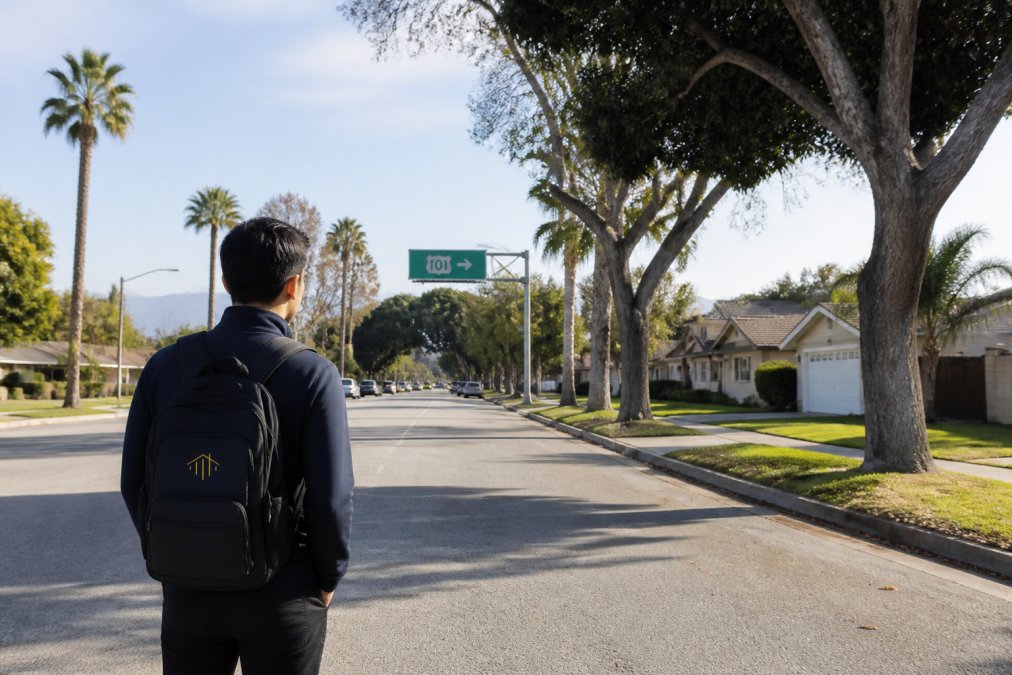
Oxnard's most commuter-friendly neighborhoods cluster around freeway access points and offer a mix of suburban development and residential stability. The neighborhoods closest to the 101 corridor, particularly areas near the Oxnard Boulevard and Vineyard Avenue exits, provide the quickest access to the freeway, though they also tend to be noisier and more congested during peak hours.
Southshore and the areas near the beach offer a quieter lifestyle with ocean access, but they're further from the 101 on-ramps, adding 10-15 minutes to your commute start time. If quality of life matters more than shaving minutes off your drive, these neighborhoods deliver better work-life balance despite the longer freeway entry.
Neighborhoods further inland, near Victoria Avenue and Highway 34, offer more affordable options and less traffic noise, but they're even further from major commute corridors. The trade-off is clear: the cheaper and quieter the neighborhood, the more time you spend getting to the freeway.
For commuters specifically, proximity to the 101 and Metrolink stations should be your primary location criteria. Coastal living is appealing, but if you're spending 90+ minutes in traffic daily, the psychological benefit of being near the beach diminishes quickly. A buyers agent familiar with commuter patterns can help you identify neighborhoods that balance accessibility with livability for your specific situation.
Transportation Options: Metrolink Ventura County Line Schedule and Highway Access
Driving vs. Metrolink: True Cost Comparison
Choosing between driving and Metrolink requires comparing not just time but total cost of ownership. Most commuters focus on gas prices and miss the full picture.
For a driver commuting 100 miles per day (50 miles each way) on the 101, the U.S. Internal Revenue Service standard mileage rate for vehicle operation is approximately $0.67 per mile (as of 2024) (Standard mileage rates). This includes fuel, maintenance, tires, insurance allocation, and depreciation. Over 250 working days annually, that's roughly $16,750 per year in vehicle costs for a commuter from Oxnard to Los Angeles.
Metrolink monthly passes for the Ventura County Line to downtown Los Angeles cost approximately $280-$320, depending on the specific fare structure. Annual cost is roughly $3,360-$3,840.
Hybrid Work: The Hidden Lever
Highway 101 Corridor Realities
Alternative Routes and Flexibility
Making the Mode Decision
Coastal Living and Quality of Life Benefits
Oxnard's greatest asset is proximity to the Pacific Ocean and Mediterranean climate. You have access to beaches, coastal parks, and outdoor recreation that you wouldn't have in inland Ventura County or in many Los Angeles neighborhoods. The weather is consistently mild year-round, which supports an outdoor-focused lifestyle if that matters to you.
Making the Decision: Is Oxnard Right for Your Commute
First, does your job allow flexibility? If you're commuting five days per week to a fixed location, the time burden is severe. If you're hybrid (two or three days per week) or remote-flexible, the equation shifts dramatically.
Frequently Asked Questions
What are the pros and cons of living in Oxnard for commuters?
The main advantage is housing affordability compared to nearby coastal areas, plus beach access and a relaxed lifestyle. The significant drawback is commute time: 60-90 minutes to Los Angeles during peak hours via the 101 freeway makes daily commuting exhausting. Oxnard also experiences traffic congestion on the 101 corridor, especially mornings and late afternoons. For remote or hybrid workers, the trade-off often makes sense; for daily commuters, it's a lifestyle compromise.
How long is the typical commute from Oxnard to Los Angeles?
Expect 60-90 minutes during peak commute hours (7-9 AM and 4-6 PM) via the 101 freeway. Off-peak travel takes 45-60 minutes. The Metrolink Ventura County Line offers an alternative at approximately 75-90 minutes including transfers, but schedules are limited and don't serve all LA employment centers. The actual time depends heavily on your specific destination and how traffic flows on any given day.
Is it cheaper to live in Oxnard compared to neighboring areas?
Yes. Oxnard's median home values are noticeably lower than Ventura, Thousand Oaks, or Santa Barbara County. This cost advantage is the primary reason commuters consider Oxnard despite longer travel times. However, the savings diminish if you factor in fuel costs, vehicle wear, and commute fatigue over time. First-time buyers often find Oxnard's pricing more accessible for entering the coastal California real estate market.
What transportation options work best for Oxnard commuters?
The 101 freeway is the primary option for most commuters, though traffic congestion is significant. The Metrolink Ventura County Line serves commuters heading to downtown Los Angeles and offers a less stressful alternative if your workplace aligns with station stops. Hybrid work arrangements make Oxnard viable by reducing commute frequency. For daily full-time commuters to dispersed LA locations, driving remains the most practical but exhausting option.
If you're evaluating a move to Oxnard and want clarity on whether the commute makes sense for your situation, 805forsale.com can provide a detailed analysis of neighborhoods, commute patterns, and financial outcomes specific to your job location and work schedule. Our team helps buyers understand the real trade-offs so you can make a decision you won't regret after six months of daily freeway traffic.