 Comparison
Are Ventura Homes for Sale with a Pool Worth It?
Last Updated: November 25, 2026
Quick Summary
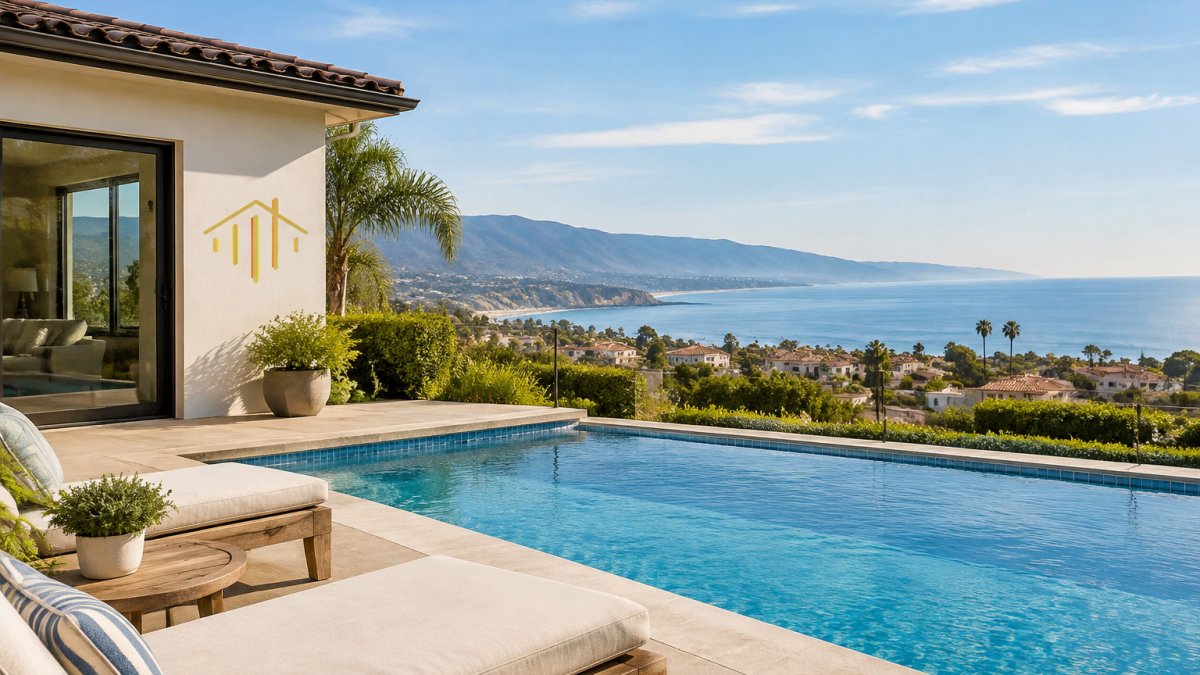
Yes, ventura homes for sale with a pool are worth it for buyers who will use the water and can budget for upkeep. The pool adds daily lifestyle value in a climate that supports swimming most of the year, and it holds buyer attention at resale. A pool is worth it when the numbers and the maintenance routine both fit your life.
- A city search covers the coastal city; a county search adds Camarillo, Oxnard, Thousand Oaks, Simi Valley and unincorporated areas.
- Verify pump, heater, filter and salt cell age during the inspection period before contingencies expire.
- Total first-year ownership cost: service, pump electricity, heater fuel, chemicals, water and one repair reserve.
- Gunite with plaster is the most repairable pool type; vinyl liners need replacement on a schedule.
- A cover reduces evaporation and heating cost, and a fence is often required for insurance and safety.
Table of Contents
- Are Ventura homes for sale with a pool worth it?
- What pool homes are listed in Ventura right now
- Buying a house with a pool: what changes in your search
- Pool home inspection checklist
- Pool maintenance considerations for homebuyers
- Pool types and property features that affect value
- Neighborhood context: climate, water use, and pool practicality
- Tour pool homes with a local buyers agent
- Frequently Asked Questions
Are Ventura homes for sale with a pool worth it?
Yes, Ventura homes for sale with a pool are worth it for buyers who will use the water and can budget for upkeep.
The case against is real: higher insurance premiums, monthly service work, and a smaller buyer pool at resale if the equipment is old.
Below, we cover what's listed now, how to read a listing, what an inspection should cover, and how pool ownership works in this county.
What pool homes are listed in Ventura right now
Inventory moves weekly, so treat any count as a snapshot rather than a fixed number. The major portals each run a pool-filtered search for the city, and their totals rarely match because each one pulls from a different feed and updates on its own schedule.
What matters more than the headline count is how many listings fit your criteria: price range, bedrooms, bathrooms, square footage, and property type.
Ventura city versus Ventura County listings
The city and the county are not the same search, and mixing them up is one of the most common mistakes we see. A Ventura city search covers the coastal city itself, older neighborhoods, tighter lots, proximity to the beach.
Decide which one you want before you start filtering. If you want walkable coastal living, search the city. If you want more square footage and a bigger yard for the same budget, widen to the county and accept a longer commute.
Reading listing details, photos, and property type
Photos sell the pool. Listing details tell you whether the pool is worth having.
- Property type: single-family home, condo, or townhouse. A condo with a community pool is a different ownership model than a private pool on your own lot.
- Square footage and lot size: a large pool on a small lot leaves little yard for anything else.
- Bedrooms and bathrooms: a three-bedroom pool home serves a family differently than a five-bedroom layout.
- Listing price and price history: a recent price cut can signal a motivated seller or a problem already priced in.
- Pool features: heated, saltwater, spa, cover, or fence, each changes your ownership costs.

Buying a house with a pool: what changes in your search
Narrow your filters to pool features, not just the pool itself. A saltwater system, heater, and spa each carry different maintenance profiles and repair costs.
Out-of-area buyers face an extra layer. If you are relocating to the county and learning the market from a distance, our guide to relocating to Ventura County covers how the local search process works before you start touring.
Pool home inspection checklist
A pool home inspection checklist is a written list of the pool, equipment, and safety items a buyer should verify before removing contingencies. It covers the shell, water, pump and filter, electrical setup, and barrier.
Walk the property with these items in hand:
- Pool shell and deck: cracks, settling, loose coping, or hollow spots underfoot
- Waterline tile: missing tiles, calcium buildup, or staining that suggests chemistry problems
- Pump and motor: age, noise, leaks, and whether it runs on a timer
- Filter: type, condition, and when it was last serviced
- Heater: whether it works, what fuel it uses, and its age
- Salt cell or chemical feeder: condition and replacement cost
- Electrical: grounded equipment, GFCI protection, and bonding
- Safety barrier: fence height, gate latch, and any cover or alarm
Pool condition and equipment checks
Condition beats cosmetics every time. Fresh plaster and new tile look great in photos and tell you almost nothing about whether the pump is on its last season.
What most guides miss is the age of the mechanicals. A pool with a fifteen-year-old pump, an aging heater, and a failing salt cell is one you'll be rebuilding within a couple of years.
Pool maintenance considerations for homebuyers
Pool maintenance considerations for homebuyers come down to three things: time, money, and who does the work. The ownership cost is where a pool home is actually won or lost, so treat this as the second half of your offer analysis.
Start with the recurring work.
Then map the cost drivers, because they vary more than buyers expect:
- Service model: a weekly pool service versus doing it yourself. A service bundles labor and usually chemicals; self-maintenance trades your weekend time for chemical and equipment spend.
- Pump run time: the pump is the biggest electricity line item. A variable-speed pump on a schedule costs meaningfully less than an older single-speed pump running long hours.
- Heater fuel: gas raises the monthly bill in cool months; a heat pump is slower to warm but cheaper in mild weather; solar shifts cost to the upfront install.
- Chemicals: chlorine, acid, stabilizer, and salt for a salt system. A salt pool still needs the cell cleaned and eventually replaced.
- Water: evaporation, topping off, and backwashing consume water, and a cover cuts evaporation noticeably.
- Repairs: pumps, heaters, salt cells, and filters have finite lives.
Insurance is the other line item.
Watch out: a seller's 'professionally maintained' claim is not a service record. Ask for invoices or a service log and verify the equipment yourself during the inspection period.
The alternative is a community pool. You trade privacy and control for shared cost and upkeep, which suits buyers who want the water without the weekend chores.
A practical way to compare two pool homes is to total the first-year ownership cost, not just the list price. Add service or self-maintenance spend, estimated pump electricity, heater fuel if you'll use it, chemicals, water, and a reserve for one mechanical repair. Two listings at the same price can differ by thousands over a year.
Pool types and property features that affect value
Pool type drives both resale appeal and your ownership cost, and the differences are concrete enough to compare listing by listing.
Sanitization. Saltwater versus chlorine.
Heating. Heated versus unheated.
Spa. Attached versus separate.
Safety and efficiency features. A cover reduces evaporation and heating cost, and a fence is often required for insurance and safety.
Buyers weighing a pool against other premium water features should understand how the market prices each one. Our comparison of ocean view versus waterfront homes explains how those two property types differ in value, which helps you judge whether a pool is the better use of your budget.
Pool type drives both resale appeal and ownership cost, so compare listings on these criteria rather than the photo.
| Feature | Options | What it means for buyers |
|---|---|---|
| Construction type | Gunite with plaster, vinyl-lined, fiberglass | Gunite is most repairable; vinyl needs liner replacement on a schedule; fiberglass has fewer seams |
| Sanitization | Saltwater versus chlorine | Salt feels gentler on skin but the cell needs cleaning and eventual replacement |
| Heating | Heated versus unheated | A heater extends the season and raises purchase and operating cost |
| Heater fuel | Gas, heat pump, solar | Gas heats fast and costs more to run; heat pump slower but cheaper in mild weather; solar shifts cost upfront |
| Spa | Attached versus separate | Attached adds value with modest upkeep; separate means more equipment to maintain and insure |
| Safety and efficiency | Cover, fence | A cover reduces evaporation and heating cost; a fence is often required for insurance and safety |
| Depth and layout | Sport pool, deep-end diving pool | Sport pool suits volleyball and young kids; diving pool limits how the yard can be used |
Neighborhood context: climate, water use, and pool practicality
Climate makes a pool practical here in a way it isn't in colder markets. Mild winters and long dry summers stretch the swimming season well beyond a few months, and outdoor living is part of how people use their homes.
Water use is the counterargument. Evaporation, topping off, and backwashing consume water, and state drought conditions have made conservation a real consideration. A cover, proper chemical balance, and prompt leak repair all reduce loss.
Neighborhood choice shapes the experience as much as the pool itself. If you are weighing affordable coastal options, our guide to affordable coastal living in Ventura County compares neighborhoods and lifestyle tradeoffs so you can see where a pool fits your budget and routine.
Tour pool homes with a local buyers agent
Touring pool homes with a local buyers agent means walking the property with someone who has seen enough pools to spot expensive problems in ten minutes. We look at the equipment pad first, then the waterline, then the barrier. Photos never show you the pump age or the drainage.
Before you tour, get your financing in order. Understanding mortgage pre-approval lets you move quickly when a pool home fits, and it tells sellers you are serious in a competitive market. Sellers preparing their own pool home for inspection should read our take on whether a home inspection before selling is worth it, which covers how to evaluate findings and which repairs to tackle first.
A pool home rewards buyers who do the homework. The water is a genuine lifestyle upgrade in this climate, but the pump, heater, and barrier decide whether it stays an asset.
Frequently Asked Questions
Is owning a house with a pool worth it in Ventura?
It depends on how you plan to use it and what you can absorb in upkeep. A pool adds outdoor living space and can be a strong draw for families, but it also means year-round cleaning, equipment service, higher water use, and higher insurance. When you tour Ventura homes for sale with a pool, ask for the age of the pump, filter, and heater, and get a pool-specific inspection before you commit. The right answer is the one that fits your budget and how often you will actually swim.
What should buyers check when viewing a home with a pool?
Start with the shell and deck: look for cracks, uneven settling, and staining at the waterline. Then check the equipment pad for the age and condition of the pump, filter, and heater, and confirm whether the pool has a safety barrier that meets current requirements. Ask when the pool was last resurfaced and whether the seller has service records. A pool home inspection checklist that covers structure, equipment, and safety will tell you more than a quick glance from the patio.
Is it cheaper to buy a house with a pool or build one later?
Buying an existing pool home usually costs less than adding a pool after closing, because the pool is already reflected in the property and you avoid construction disruption. Building means permits, design choices, and months of work, and the final cost depends on size, materials, and site conditions. If a pool is a must-have, compare pool homes in your price range against non-pool homes plus a construction quote. In most cases the existing pool wins on total cost and convenience.
Is it difficult to sell a house with a pool?
A well-maintained pool can help a home stand out, especially with buyers who want outdoor living. A neglected pool does the opposite: cracked decks, cloudy water, and aging equipment read as a project and invite low offers. Before listing, bring the pool up to date, gather service records, and make sure safety barriers are in place. Pricing the home correctly for the pool's condition matters more than the pool itself when it comes time to sell.