 Comparison
Is Buying New Construction Worth It in Ventura County?
Quick Summary
New construction in Ventura County can be worth it for buyers who want a home that has never been lived in, with modern systems and a floor plan chosen before building starts. The true value depends on comparing total monthly cost, HOA dues, builder warranty terms and contract deadlines rather than the advertised base price.
- Many new construction homes are sold before completion, so contracts may run months or a year ahead.
- Compare total cost including upgrades, property taxes, insurance and HOA dues, not just the starting price.
- Ask the builder for the site plan showing what will be built next to your lot and when.
- Request a third-party inspection right and confirm inspector access at pre-drywall and final walkthrough.
- Get Loan Estimates from the builder's lender and an outside lender on the same day to compare.
Table of Contents
- What Buying New Construction in Ventura County Involves
- How to Compare New Construction Homes Side by Side
- Questions to Ask a Home Builder Before You Sign
- Builder Reputation, Quality and Energy Efficiency Checks
- Financing Incentives and Closing Costs on New Builds
- New Construction Home Buying Checklist for Ventura County Buyers
- Next Step: Getting Local Guidance on Your New Build Search
- Frequently Asked Questions
Is Buying New Construction Worth It in Ventura County?
Last Updated: November 18, 2026
What Buying New Construction in Ventura County Involves
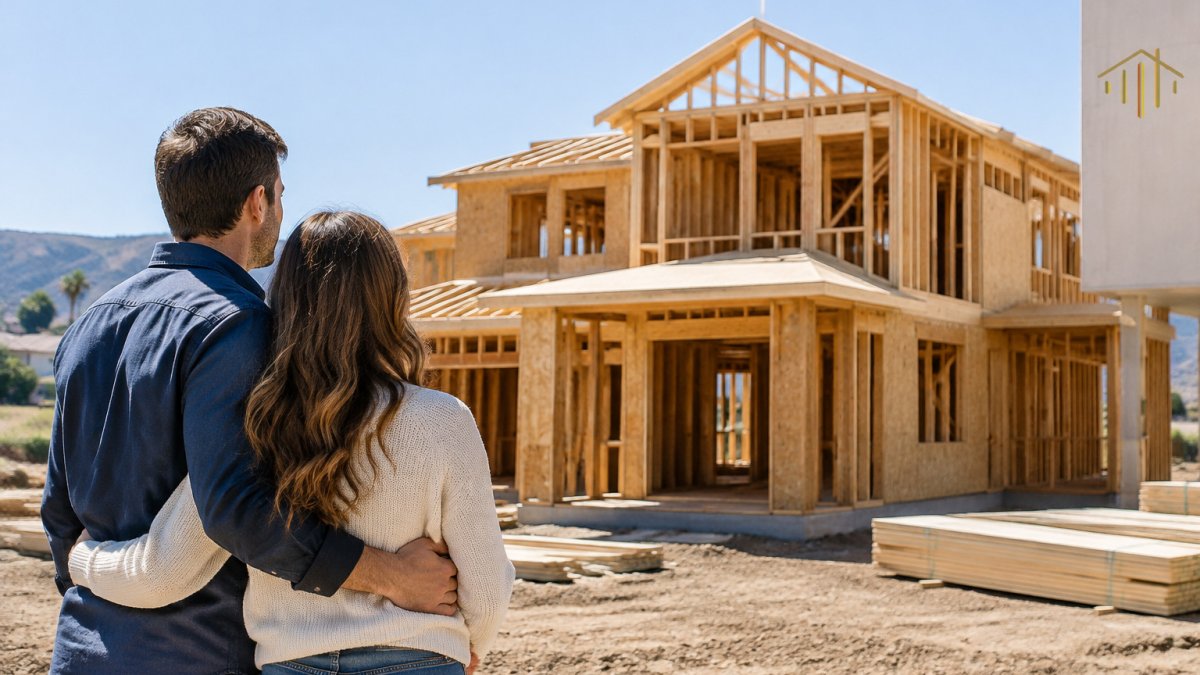
New construction gives buyers a home that has never been lived in, with modern systems, current building codes and a floor plan chosen before the first wall went up. In Ventura County, these homes often sit in planned communities where lots, parks and street layouts were designed as one project.
The buying process differs from a resale purchase. Many new construction homes are sold before completion, so you may sign a contract months or even a year before you get the keys. Builders typically offer set floor plans with options and upgrades added at contract, and deposits, change order deadlines and the final walkthrough each follow their own schedule, missing one can cost you money.
Here is the basic sequence most buyers follow:
- Tour a model home or the builder's sales office to understand finishes and layouts
- Review the purchase contract, including the deposit, upgrade and closing terms
- Select options and finishes within the builder's deadlines
- Monitor construction progress and attend the pre-closing walkthrough
- Complete the final walkthrough, address any punch-list items and close
How to Compare New Construction Homes Side by Side
Comparing new construction homes is harder than comparing resale homes because each builder may sell a different version of the same community. Start with the same five questions for every home: price, square footage, lot position, HOA dues and the builder's included features. Writing these down in one table keeps the decision grounded in facts rather than the most polished model home.
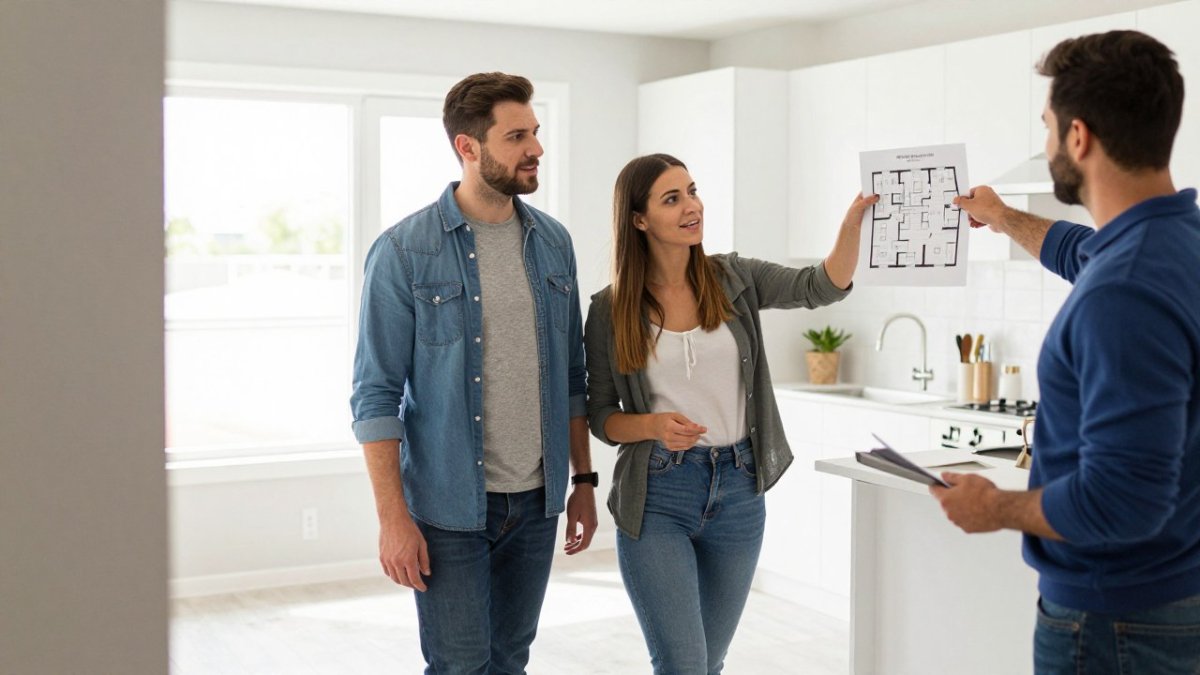
New construction homes for sale in Ventura County can vary widely in price and size, so the listing price alone tells you little. A home with a lower base price may cost more once you add the upgrades you need. Compare the total cost of each option, not the advertised starting price.
Floor Plans, Square Footage and Lot Position
Floor plans determine how the home lives day to day. Walk each layout and check the kitchen work triangle, the primary suite location and whether the laundry room is near the bedrooms. Square footage can be measured differently by builders, so ask whether the figure includes garages, covered patios or upstairs open areas.
Lot position matters just as much as the floor plan. A home backing onto open space may get more privacy and views, while a lot next to a busy street or a future phase of construction may be noisier. Ask the builder for a site plan showing what will be built next to your lot and when.
Total Cost of Ownership and HOA Dues
The monthly cost of owning a new home includes more than the mortgage: property taxes, HOA dues, insurance and utilities all add up. Many planned communities charge HOA dues covering parks, landscaping and shared amenities, and those fees can rise. To judge whether a home's total cost fits your income, see local salaries compared with home prices and cost of living. Ask for current dues, the reserve study and any planned special assessments before comparing two homes.
Use a simple worksheet to estimate monthly cost for each option:
| Cost Item | Home A | Home B |
|---|---|---|
| Base price | Enter figure | Enter figure |
| Included upgrades | Enter figure | Enter figure |
| Monthly HOA dues | Enter figure | Enter figure |
| Estimated property tax | Enter figure | Enter figure |
| Estimated insurance | Enter figure | Enter figure |
Pricing depends on the builder, the lot, and the options you choose, so request current figures directly from each builder or from 805forsale.com.
Questions to Ask a Home Builder Before You Sign
The builder's sales representative is your first source of information, but not your only one. Asking specific questions early protects you from surprises after signing, so get the answers in writing whenever possible.
- What is the expected completion date, and what happens if construction runs late?
- Which items are standard, and which are upgrades that cost extra?
- How much is the deposit, and is any portion refundable?
- Who holds the warranty, and how long does coverage last for structure, systems and finishes?
- What HOA rules apply, and what is the current monthly fee?
- Are there any planned phases or construction next to the lot I am considering?
Many buyers also ask for the builder's history in the area and references from recent buyers. A builder who answers these questions clearly and in writing is usually easier to work with after closing.
Builder Reputation, Quality and Energy Efficiency Checks
A builder's reputation affects your experience long after you move in. Before touring a model home, it helps to compare builders on factors such as years building locally, volume of homes delivered, warranty responsiveness, third-party inspection practices and verified energy performance.
How to Score a Builder's Reputation
Start with tenure and volume. A builder with a decade or more in the area has a track record you can check; a new entrant may be excellent but has less history. Ask how many homes the company closed locally in the past 12 months and the past five years. Then read recent buyer reviews from at least three independent sources, looking for patterns rather than one-off grievances, slow warranty response, unresolved punch-list items and change-order billing disputes are common ones.
Third-Party Inspections and Quality Verification
Quality checks are easy to overlook during a sales visit. Ask whether the builder uses third-party inspections at key stages and whether you may bring your own inspector. Independent inspections give you a record that does not depend on the builder's own reporting. Confirm in the contract that your inspector has access at pre-drywall and final walkthrough, since some builder contracts restrict access or require the builder's inspector only.
Ask for the builder's warranty structure in writing: what is covered for structure, systems, and finishes, how long each coverage period lasts, and who administers the warranty.
Energy Efficiency and Smart Home Standards
Energy efficiency varies widely by builder and is one of the least transparent parts of a new-home purchase. Ask about insulation R-values for walls and attic, window U-factor and Solar Heat Gain Coefficient, HVAC SEER2 rating, and solar readiness or installed panels.
Smart home features deserve the same scrutiny.
Watch out: a model home is usually upgraded well beyond the base specification, so ask for the base-price feature list and the model-home upgrade list side by side before you compare two builders on efficiency or smart home features.
Financing Incentives and Closing Costs on New Builds
New construction sometimes comes with financing incentives, such as builder-paid closing costs, rate buydowns, or preferred lender programs. The value of these offers depends on how they compare with a loan you could get on your own.
How Builder Rate Buydowns Actually Work
A rate buydown lowers your interest rate for a set period or permanently in exchange for an upfront payment. A temporary buydown, such as a 2-1 buydown, cuts the rate by two percentage points in year one and one point in year two, then returns to the note rate (Mortgage financing options in a higher interest rate environment).
A builder's incentive is usually most valuable to buyers who stay long enough to recoup the upfront cost, and least valuable to those who expect to refinance or sell within a few years. Run the math on your own timeline rather than assuming the advertised rate is the better deal.
Comparing the Builder's Lender Against an Outside Lender
Builder-affiliated lenders can be competitive, but the incentive is frequently tied to using that lender, so you need an apples-to-apples comparison. Request a Loan Estimate from both the builder's lender and at least one outside lender on the same day, for the same loan amount and term. Compare the rate, origination charges, points and total closing costs on page 3.
Ask both lenders whether the incentive changes if you use an outside lender, and get that answer in writing. Some builders reduce the incentive rather than eliminate it; others require the affiliated lender to receive any builder-paid closing cost credit.
What Closing Costs Look Like on a New Build
Closing costs on a new build can differ from a resale purchase. You may see charges for a survey, title policy, recording fees, prepaid property taxes and insurance, and lender fees.
For a detailed method to estimate closing costs, read How to Calculate Closing Costs for a New Home before you plan your cash to close. First-time buyers should also check whether they qualify for zero-down options or state assistance programs; our guide on how to buy a house with no money down in California explains which may apply, and since program amounts and eligibility rules change, confirm current details with the agency that runs them.
Buyers comparing new builds with their budget may also want to see the broader cost picture. A guide to the cost of buying a home in Ventura lays out median prices, closing costs and first-time buyer resources for 2026.
Watch out: a builder-paid closing cost credit can be structured as a credit against specific line items rather than cash back, so confirm which costs the credit actually covers before you count it toward your cash to close.
New Construction Home Buying Checklist for Ventura County Buyers
Use this checklist to keep your purchase on track from the first tour to the closing table:
- Get a pre-approval letter from a lender before touring homes
- Compare at least three floor plans and lot positions
- Request the HOA budget, dues and reserve study
- Confirm the deposit amount and refund terms in writing
- List all included features and all paid upgrades
- Set deadlines for option selections and change orders
- Schedule third-party inspections at key construction stages
- Attend the final walkthrough and document every punch-list item
- Review the warranty terms and keep copies of all documents
Keeping a single folder for contracts, change orders and warranty papers makes it easier to resolve issues years after closing.
Next Step: Getting Local Guidance on Your New Build Search
Buying new construction in Ventura County can be a strong move, but the details in each contract and community make a real difference. At 805forsale.com, we help buyers compare builders, review contract terms and plan for total monthly cost before they commit. Our buyers agent and listing agent services cover both sides of the transaction, and our veteran agent services are available for buyers who have served. Contact 805forsale.com to talk through your budget, your timeline and which communities fit your needs.
Frequently Asked Questions
Should you use a real estate agent when buying a new construction home?
Many buyers assume the builder's sales team represents them, but that representative works for the builder. An independent buyer's agent represents your interests in pricing, contract terms and inspection timing, and typically costs the buyer nothing directly because the listing side commonly pays the agreed commission. Ask whether the agent has worked with the builder you are considering and how they handle incentives, upgrades and closing timelines before you commit to a contract.
What should buyers verify before choosing a new construction home?
Confirm the completion schedule in writing, the lot's position and any planned development nearby, the HOA rules and dues, and which upgrades are included in the base price. Review the builder's warranty terms and how repairs are handled after closing. Also check the energy ratings and features listed in the purchase agreement, since these determine ongoing utility costs.
How can buyers compare new-home communities?
Compare communities by price per square foot, lot size, HOA fees, school assignments, commute times and planned amenities. Visit at different times of day and talk with current residents if possible. Pay attention to how many homes remain unbuilt, since future construction can affect noise and traffic.