 how-to
Manufacturing Careers at Haas Automation: A 2026 Guide
Table of Contents
- Manufacturing Careers at Haas Automation: What You Need to Know
- The Company Behind the Machines: Haas Automation's Oxnard Operations
- Haas Automation Job Openings and Available Positions
- Housing Near Haas Automation: Finding Your Home in Ventura County
- Employer Relocation Checklist for Manufacturing Workers
- Commute Planning for Manufacturing Workers in the Area
- Making Your Move: Next Steps for Career Growth
- Frequently Asked Questions
Last Updated: October 18, 2026
Manufacturing Careers at Haas Automation: What You Need to Know
Manufacturing careers Haas Automation represent one of Ventura County's largest employment opportunities, and the company's major production facility drives industrial job growth across the region.
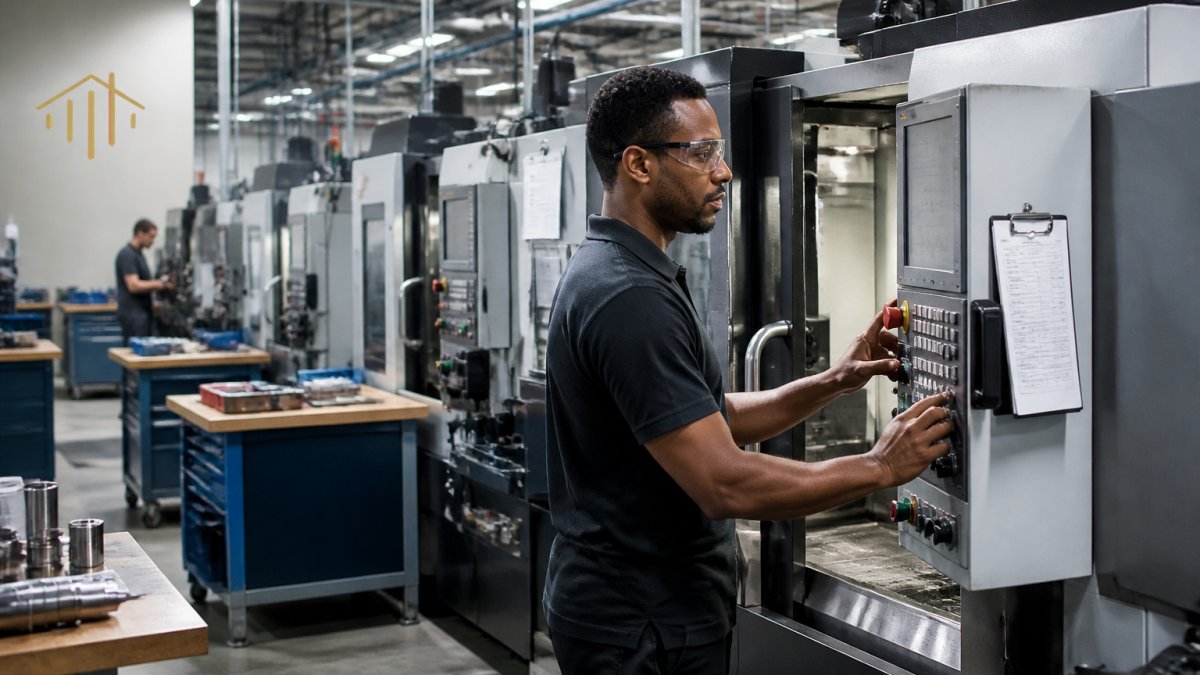
This guide covers manufacturing careers Haas Automation, housing near the facility, and practical steps for your move.
Private-sector employers like this one anchor the local economy with steady, skilled employment. Whether you're an experienced CNC operator, a manufacturing engineer, or breaking into production work, the opportunities are real and growing.
The Company Behind the Machines: Haas Automation's Oxnard Operations
Haas Automation is one of the largest private-sector employers in Ventura County. The company manufactures machine tools and CNC machinery used across industries worldwide. The Oxnard headquarters houses production, assembly, engineering, and administrative teams.
The company runs a vertically integrated operation, building many components in-house, which creates diverse job opportunities across departments.
The workforce spans skilled trades, technical roles, and engineering positions, assembly line workers, CNC operators, machine-tool builders, manufacturing engineers, and quality control specialists, and the company invests in training.
Employment at this scale shapes the local economy, contributing to industrial growth and workforce development in Ventura County.
Haas Automation Job Openings and Available Positions
Job openings at the company vary by production demand, shift schedules, and department. Job seekers do better by understanding the role families, their qualifications, and how the application process works.
Role families and what they typically require:
- CNC operators and machine-tool builders. These roles run computer-controlled machines that cut metal to tight tolerances. Employers generally look for mechanical aptitude, the ability to read blueprints or work instructions, and comfort with measurement tools (calipers, micrometers). Formal CNC certification helps but is often not required for entry; many workers train on the job.
- Assembly and production workers. Entry-level assembly roles are the most common on-ramp. Qualifications are usually a high school diploma or equivalent, reliability, and the ability to follow standardized work. These roles are the most likely to be filled through high-volume hiring events.
- Manufacturing engineers and technical staff. These positions typically require a two- or four-year technical degree (mechanical, manufacturing, or industrial engineering) plus experience with process design, fixture design, or continuous improvement. Engineering roles are posted less frequently and are more competitive.
- Quality control and inspection. Inspectors use coordinate measuring machines (CMMs) and hand tools to verify parts against specifications. Employers usually want prior inspection experience or a metrology background; attention to detail matters more than a specific degree.
- Maintenance and facility technicians. These roles keep CNC machines, conveyors, and building systems running. Electrical and mechanical troubleshooting experience is the core requirement; industrial maintenance certificates are a plus.
- Administrative and logistics positions. Purchasing, scheduling, shipping, and inventory roles support production. These are often the most accessible entry points for people without manufacturing backgrounds.
Pay context. Public postings for machine-operator and assembly roles at large regional manufacturers commonly list hourly wages in the high teens to low thirties, with skilled CNC setup and programming roles at the upper end and engineering roles salaried.
How the application process typically works:
- Apply online. Most large manufacturers route applications through a company careers portal or a major job board. Keep your resume keyword-aligned with the posting (machine names, tolerances, software like Mastercam or SolidWorks if applicable).
- Initial screen. Expect a recruiter or HR phone screen covering shift availability, pay expectations, and basic qualifications.
- Technical or skills assessment. Operator and technician roles often include a practical assessment, reading a print, measuring a part, or demonstrating tool knowledge. Engineering roles may include a technical interview or a take-home exercise.
- On-site or panel interview. You will likely meet the hiring manager and possibly team members. Be ready to describe specific machines, processes, or problems you have solved.
- Offer and onboarding. Offers typically include shift assignment and start date. Background checks and drug screens are standard for manufacturing roles.
Following up. Send a short thank-you email within 24 hours of an interview. If you haven't heard back within the recruiter's timeframe, one polite follow-up is appropriate.
Career pathways. The common progression runs from entry-level assembly or machine operation into CNC setup and programming, then into lead or supervisory roles, or sideways into quality, maintenance, or engineering support.
For the broader relocation picture, schools, neighborhoods, and timing your move around a start date, see the Employer-driven relocation guide, the master guide: moving to Ventura County for work.
Housing Near Haas Automation: Finding Your Home in Ventura County
Ventura County's housing market varies sharply by neighborhood, and the right choice depends on budget, commute tolerance, and whether you're renting or buying.
Rental context. In Oxnard and the surrounding communities, one-bedroom apartments commonly list in the low-to-mid $2,000s per month, and two-bedroom units in the high $2,000s to low $3,000s.
Ownership context. Entry-level single-family homes in Oxnard and Port Hueneme generally start in the high $600,000s to low $700,000s, with Camarillo and Ventura typically higher.
Neighborhood trade-offs:
- Oxnard. Shortest commute to the facility and the most rental inventory. More affordable than coastal neighbors, with a mix of older single-family homes and newer developments. Traffic within the city can be heavy at peak.
- Port Hueneme. Coastal access and relatively moderate rents, with a commute that is still short. Housing stock is older on average; buyers should budget for maintenance.
- Camarillo. Suburban feel, strong schools, and a commute of roughly 15-20 minutes. Prices are higher than Oxnard, and inventory moves quickly in spring.
- Ventura. More character and a walkable downtown, but a longer commute (roughly 20-30 minutes) and higher housing costs. Popular with buyers who prioritize lifestyle over proximity.
- Thousand Oaks and points inland. Longer commutes (30+ minutes) and higher prices; generally not the first choice for workers optimizing for the facility.
Commute-cost math. A longer commute is not free. A 30-mile round trip in a mid-size vehicle commonly runs several dollars per day in fuel alone, plus wear and tear.
Working with a local agent. A buyers agent who knows Ventura County can match you with neighborhoods that fit your budget and commute and tell you what's realistic at your price point.
For the full relocation sequence, timing, schools, and administrative steps, see the Employer-driven relocation guide, the master guide: moving to Ventura County for work.
Employer Relocation Checklist for Manufacturing Workers
Use this checklist to avoid missing important steps.
Before you move:
- Confirm your job offer and start date in writing
- Research neighborhoods and school districts in your target area
- Get pre-approved for a mortgage if you plan to buy
- Understand your new employer's relocation assistance (if any)
- Check whether your professional licenses transfer to the state
- Research healthcare providers and schools in your new community
Housing steps:
- Identify 2-3 neighborhoods that fit your budget and commute
- Contact a local real estate agent to view properties
- Get a home inspection before making an offer
- Secure homeowners insurance quotes
- Plan your move-in date around your job start
Administrative tasks:
- Update your driver's license and vehicle registration
- Register to vote in your new county
- Transfer utilities to your new address
- Update your address with your employer, bank, and insurance
- Set up new healthcare providers if needed
Financial considerations:
- Budget for moving costs
- Plan for higher housing costs if relocating from a lower-cost area
- Review your benefits package at your new job
- Adjust your budget for local cost of living
Working with a local real estate professional early in the process saves time and money.
Commute Planning for Manufacturing Workers in the Area
Most of Ventura County is within 20-40 minutes of the facility by car, depending on traffic and starting point.
Commute reality:
- Peak traffic runs 7-9 a.m. and 4-6 p.m. on weekdays
- Distance from Oxnard varies: Camarillo is 15 minutes, Ventura is 20 minutes, Thousand Oaks is 30 minutes
- Public transit exists but is limited; most workers drive
- Carpooling with coworkers is common and reduces costs
Living closer to the facility cuts commute time and costs. A 15-minute commute versus 45 minutes saves 30 minutes daily, 2.5 hours per week, and significant time back over a year.
Commute-friendly neighborhoods:
- Oxnard: Shortest commute, most affordable housing
- Camarillo: 15-20 minute drive, suburban feel, good schools
- Port Hueneme: Coastal access, moderate commute
- Ventura: More character, longer commute, higher housing costs
Traffic patterns matter: the 101 freeway congests during peak hours, and surface streets take longer. Many workers adjust their schedules to avoid peak times.
Making Your Move: Next Steps for Career Growth
The job is one piece; housing, commute, and community integration matter equally.
Immediate next steps:
- Secure housing first. Find a place before your start date. This removes stress and lets you settle in properly.
- Connect with local resources. Join industry groups, attend community events, and build your network.
- Understand the local job market. Manufacturing is strong here, and career advancement is possible if you perform well.
- Invest in your skills. Many employers offer training and advancement opportunities for workers who show commitment.
Skilled workers are in demand, and Ventura County's industrial base means opportunities exist for people willing to invest in their craft.
Career pathways typically progress from entry-level production roles to specialized positions like CNC operators or manufacturing engineers, with some workers moving into supervision or quality.
Wages are reasonable, benefits are typical for industrial employers, and job security is solid for skilled workers. Many people build long careers in this sector.
Working with 805forsale.com simplifies the housing piece of your relocation. When housing is settled, you can focus on your new job and building your career.
Housing is often the biggest challenge of a manufacturing relocation, and getting it right determines your quality of life. Whether you're looking to buy your first home or need guidance navigating the market, our listing agent and buyers agent services are here to support your move.
Frequently Asked Questions
What kinds of jobs does Haas Automation hire for?
Haas Automation employs workers across manufacturing, assembly, engineering, and technical roles. CNC operators, machine-tool specialists, manufacturing engineers, and production technicians are core positions. The company also hires for quality control, maintenance, logistics, and administrative functions. Job titles range from entry-level assembly roles to advanced engineering positions, offering career pathways for both skilled workers and those entering the industrial sector.
How can I find current Haas Automation job openings?
Visit Haas Automation's careers page directly or search major job boards for current openings in Oxnard. The company regularly posts positions as production expands and workforce needs grow. Networking with current employees, attending local manufacturing job fairs, and contacting the human resources department can also uncover opportunities. Many positions fill quickly, so monitoring listings regularly increases your chances.
What should I consider when choosing housing near Haas Automation?
Proximity to the facility, commute time, and housing affordability are key factors. Neighborhoods within 15-20 minutes of the plant offer reasonable commute times and vary in price. Consider school quality, neighborhood safety, access to amenities, and long-term appreciation potential. Working with a local real estate professional helps you understand which areas balance cost, commute, and lifestyle, especially important when relocating for a new manufacturing role.
How do I plan a move around a new manufacturing job offer?
Start by confirming your job offer details, including start date and compensation. Research housing markets and neighborhoods near your workplace. Create a timeline that accounts for home search, closing, and relocation logistics. Consider the employer relocation checklist: verify benefits, understand commute options, assess cost of living, arrange temporary housing if needed, and plan school transfers if applicable. Connect with a real estate professional who understands the local market to streamline the process.