 ultimate-guide
How to Buy a Home in Ventura County: 2026 Guide
Table of Contents
- Understanding the Ventura County Real Estate Market
- How to Get Pre-Approved for a Mortgage
- Best Neighborhoods in Ventura County 2026
- Ventura County First-Time Homebuyer Programs
- The Step-by-Step Home Buying Process
- Closing Costs for Buyers in California
- Essential Disclosures and Insurance Considerations
- Conclusion
Last Updated: August 19, 2026
Understanding the Ventura County Real Estate Market
Ventura County's real estate market moves fast, homes listed today may have multiple offers within 48 hours. Understanding current conditions is essential before committing to a purchase, especially with tight inventory and fierce buyer competition.
The region's median listing price reflects coastal proximity, quality school districts, and employment centers. Properties command premium valuations compared to inland alternatives, with steady appreciation over recent years. Interest rates significantly impact purchasing power; even small fluctuations affect monthly payments and your affordable price range.
Market trends show homes with clear title, recent inspections, and minimal contingencies sell faster and at higher prices. Sellers demand certainty, and buyers with pre-approval letters and clean financing win negotiations. According to the National Association of Realtors, Ventura County's coastal location and employment opportunities position it above state averages. Preparation matters more than luck, knowing your neighborhood, understanding closing costs, and having realistic price expectations separate successful buyers from those who overpay or miss opportunities.
How to Get Pre-Approved for a Mortgage
Pre-approval means a lender has reviewed your finances and confirmed you qualify for a specific loan amount. This letter carries weight in negotiations and signals to sellers that you're serious.
Gather financial documents: recent pay stubs, two years of tax returns, bank statements showing savings and down payment funds, and a list of debts. Lenders scrutinize the source of your down payment to ensure it's not borrowed money.
Contact multiple lenders to compare rates and terms. Banks, credit unions, and mortgage brokers all offer pre-approval. Rates vary based on loan type (conventional, FHA, VA, or USDA), down payment percentage, and credit profile. Shopping around takes a few hours but can save thousands over your loan's life.
Your credit score directly affects your interest rate. A score above 740 typically qualifies for the best rates. If lower, address credit issues before applying or expect a higher rate. Even a half-percentage-point difference adds up significantly on a 30-year mortgage.
Lenders verify employment, check your credit report, and confirm asset availability. Be honest about recent job changes, collections, or late payments, lenders discover these anyway, and honesty builds trust. Once pre-approved, your letter specifies the loan amount, rate, and terms, typically valid for 90 days. Use this window to search actively for properties.
Best Neighborhoods in Ventura County 2026
Choosing the right neighborhood shapes your quality of life and investment returns. Ventura County's best neighborhoods offer different advantages depending on whether you prioritize schools, commute times, lifestyle, or resale value.
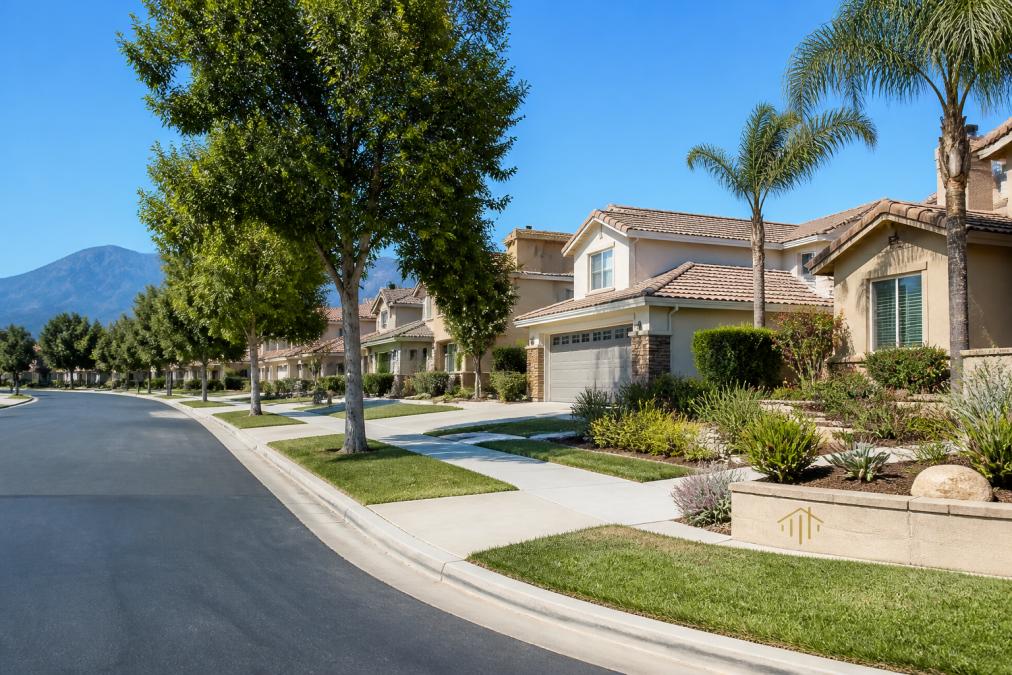
Thousand Oaks remains a top choice for families, known for strong schools and family-oriented communities. Properties command premium prices, but the neighborhood's reputation supports strong resale values. The area offers parks, trails, and suburban amenities while maintaining proximity to employment centers.
Ojai attracts buyers seeking small-town character with outdoor recreation access. The community emphasizes local agriculture, art, and nature. Properties appreciate steadily, though the smaller market means fewer listings at any given time.
Moorpark offers more affordable entry points while maintaining good schools and community services. New construction provides modern homes at lower price points than established areas. Commuters appreciate freeway access to Los Angeles employment centers.
Camarillo balances suburban convenience with coastal access, attracting families and professionals with reliable appreciation and steady demand.
Port Hueneme and Oxnard offer the most affordable options in the county. Waterfront properties in Port Hueneme command premiums, but inland Oxnard remains accessible to first-time buyers.
Micro-climate considerations matter significantly. Coastal areas enjoy moderate temperatures year-round but face higher insurance costs. Inland neighborhoods experience temperature swings but lower premiums. Visit neighborhoods during peak season to understand actual conditions.
Commute analysis deserves serious attention. Map your likely commute routes during peak hours, not off-peak times. Traffic patterns on the 101 and 118 freeways directly affect livability for many Ventura County neighborhoods.
Ventura County First-Time Homebuyer Programs
First-time homebuyers in California access several assistance programs that reduce down payment requirements or provide closing cost help.
The California Housing Finance Agency (CalHFA) administers programs specifically for first-time buyers. CalHFA loans require lower down payments than conventional mortgages, as little as 3% to 5%, and offer competitive rates. Eligibility depends on income limits and prior homeownership history.
Down payment assistance programs vary by city and county. Ventura County cities including Thousand Oaks, Ojai, and Moorpark offer local assistance initiatives. Check your specific city's housing department website for current offerings.
Employer-sponsored programs deserve investigation. Many employers partner with lenders to offer down payment assistance or preferential rates. Ask your HR department whether your employer participates.
The FHA loan program remains popular for first-time buyers, requiring down payments as low as 3.5% and being more forgiving of credit issues. However, FHA loans require mortgage insurance premiums, which add to your monthly payment. Calculate total costs including insurance before assuming FHA is cheaper.
VA loans serve military members, veterans, and surviving spouses with no down payment and no mortgage insurance. If you qualify, VA loans typically offer the best terms available.
USDA loans serve rural and some suburban areas with zero-down financing. Check USDA eligibility maps for your specific property address.
Homebuyer education courses sometimes unlock additional assistance. Many programs require completion of an approved homebuyer education class before accessing down payment assistance.
The Step-by-Step Home Buying Process
Buying a home in Ventura County involves multiple sequential steps, each with specific requirements and timelines.

Step 1: Find and View Properties
Begin your search with online platforms, but recognize that not all available properties appear in standard databases. Working with a local real estate agent provides access to the full market, including properties about to list and off-market opportunities.
When viewing properties, focus on structural elements and systems, not cosmetics. Walk the neighborhood at different times to understand traffic patterns and community activity. Take notes and photos during showings to help you compare options later.
Step 2: Make an Offer and Negotiate
Once you've identified a target property, your agent prepares a purchase agreement specifying purchase price, down payment, loan type, contingencies, and closing timeline. The offer includes earnest money, typically 1-3% of purchase price, held in escrow.
Pricing strategy requires market knowledge. Your agent should provide comparable sales data showing what similar properties sold for recently. Use this data to justify your offer.
Contingencies protect you. Standard contingencies include financing approval, satisfactory home inspection, and appraisal. These allow you to back out under specific circumstances without losing earnest money. In competitive markets, offering fewer contingencies makes your offer more attractive to sellers.
Negotiation often involves multiple counteroffers. Patience and flexibility during negotiation often result in better final terms than aggressive opening positions.
Step 3: Home Inspection and Contingencies
After offer acceptance, you have a specified period, typically 10-17 days, to conduct a home inspection. A professional inspector identifies structural, mechanical, and safety issues.
The inspection report details findings organized by severity. Major issues like foundation cracks, roof leaks, or electrical problems require attention. Review the report carefully and decide which issues you want the seller to address.
You can request repairs, request credits toward repairs you'll handle, or accept the home as-is. Prioritize critical safety and structural issues over cosmetic concerns.
Contingencies allow you to walk away if inspection reveals unacceptable problems. Never waive inspection contingencies.
Step 4: Appraisal and Underwriting
Your lender orders an appraisal to confirm the property's value supports your loan amount. If the appraisal comes in lower than your purchase price, you can ask the seller to reduce the price, pay the difference in cash, or walk away.
Underwriting is the lender's detailed review of your finances, the property, and loan terms. Underwriters verify employment, confirm funds for down payment, review credit history, and assess risk. This typically takes 5-10 days. Respond promptly to any requests for additional documentation.
Maintain financial stability during underwriting, don't change jobs, take new debt, or make large purchases.
Closing Costs for Buyers in California
Closing costs are fees and expenses you pay at closing, beyond your down payment. These typically range from 2-5% of purchase price.
Lender fees include loan origination, processing, underwriting, and appraisal costs. Your loan estimate, provided within three days of application, details all lender charges. Compare across lenders, as costs vary significantly.
Title insurance protects you against ownership disputes and liens. The title company searches property records to confirm clear ownership, then issues a policy protecting your interest.
Property taxes in California are assessed at 1% of purchase price. Closing statements include a proration of property taxes, splitting the annual bill between buyer and seller based on ownership dates.
Homeowners insurance is required by lenders before closing. Shop for quotes early. Coastal properties face higher premiums due to wildfire risk.
Escrow fees cover the neutral third party managing funds and documents. Recording fees pay for government recording of the deed and mortgage. HOA transfer fees apply if the property is in a homeowners association.
Request a Closing Disclosure at least three business days before closing. Review it carefully against your initial loan estimate and address any discrepancies with your lender.
Essential Disclosures and Insurance Considerations
California real estate law requires sellers to disclose known defects and conditions affecting property value or desirability.
The Transfer Disclosure Statement is California's primary disclosure document. Sellers must detail any known material defects, structural issues, water damage, foundation problems, or other significant conditions. Read this document carefully.
Natural hazard disclosures inform buyers about earthquake, flood, fire, and other environmental risks. Ventura County's coastal areas face wildfire risk; some inland areas have flood risk.
Wildfire insurance has become increasingly important in Ventura County. Properties in high-risk fire zones may face insurance availability issues or significantly higher premiums. Confirm insurance availability and cost before finalizing your purchase.
Earthquake insurance is optional but worth considering. Earthquake insurance is relatively affordable and provides important protection.
Lead-based paint disclosure is required for homes built before 1978. Lead remediation can be expensive, so factor this into your offer if applicable.
Mold disclosure requirements vary, but ask about any history of water intrusion or mold issues. Properties with documented mold histories should be priced accordingly.
HOA disclosures provide governing documents, financial statements, and reserve studies. Review these carefully before closing. HOA fees, special assessments, and architectural restrictions affect your ownership experience and property value.
Buying a home in Ventura County requires preparation, market knowledge, and realistic expectations. Working with an experienced real estate professional who understands local market conditions, neighborhood nuances, and buyer protection strategies makes the difference between a successful purchase and a costly mistake. We help buyers navigate this complex process with local expertise and commitment to your interests. Get started with 805forsale.com and move toward homeownership with confidence and clarity.
| Step | Timeline | Key Deliverable |
|---|---|---|
| Pre-approval | 3-5 days | Mortgage pre-approval letter |
| Property search | 2-8 weeks | Identified target property |
| Offer and acceptance | 1-7 days | Signed purchase agreement |
| Home inspection | 10-17 days | Inspection report and negotiation |
| Appraisal and underwriting | 5-10 days | Appraisal report and loan approval |
| Final walkthrough | 1 day | Verification of agreed repairs |
| Closing | 1 day | Signed documents and keys |
Frequently Asked Questions
What are the current requirements for first-time homebuyers in Ventura County?
First-time homebuyers in Ventura County typically need a credit score of 620 or higher, a down payment (often 3-5% for FHA loans), proof of income, and mortgage pre-approval. Many local and state programs offer down payment assistance to reduce your out-of-pocket costs. Your real estate agent can connect you with programs specific to your income level and situation.
How much do closing costs typically run for buyers in California?
Closing costs for buyers in California generally range from 2-5% of the purchase price, covering loan origination fees, appraisal, title insurance, escrow fees, and property taxes. For a $1.5 million home, expect $30,000-$75,000. Your loan officer provides a Loan Estimate within three days of application, detailing all expected costs so there are no surprises at closing day.
What should I know about earthquake insurance and disclosure requirements?
California requires sellers to disclose known defects, including earthquake risks and past damage. While earthquake insurance is optional, it's worth considering given the region's seismic activity. Standard homeowners insurance does not cover earthquake damage. Review all disclosure documents carefully during escrow and ask your agent about the property's history and any previous damage.
How does the current inventory level affect my negotiating power when buying a home in Ventura County?
Lower inventory typically gives sellers more leverage, meaning fewer homes to choose from and potential bidding wars. Higher inventory gives buyers more options and negotiating room. Market conditions shift, so working with a local agent who tracks real estate trends helps you understand whether it's a buyer's or seller's market and how to structure your offer accordingly.
This article was written using GrandRanker
Frequently Asked Questions
What are the current requirements for first-time homebuyers in Ventura County?
First-time homebuyers in Ventura County typically need a credit score of 620 or higher, a down payment (often 3-5% for FHA loans), proof of income, and mortgage pre-approval. Many local and state programs offer down payment assistance to reduce your out-of-pocket costs. Your real estate agent can connect you with programs specific to your income level and situation.
How much do closing costs typically run for buyers in California?
Closing costs for buyers in California generally range from 2-5% of the purchase price, covering loan origination fees, appraisal, title insurance, escrow fees, and property taxes. For a $1.5 million home, expect $30,000-$75,000. Your loan officer provides a Loan Estimate within three days of application, detailing all expected costs so there are no surprises at closing day.
What should I know about earthquake insurance and disclosure requirements?
California requires sellers to disclose known defects, including earthquake risks and past damage. While earthquake insurance is optional, it's worth considering given the region's seismic activity. Standard homeowners insurance does not cover earthquake damage. Review all disclosure documents carefully during escrow and ask your agent about the property's history and any previous damage.
How does the current inventory level affect my negotiating power when buying a home in Ventura County?
Lower inventory typically gives sellers more leverage, meaning fewer homes to choose from and potential bidding wars. Higher inventory gives buyers more options and negotiating room. Market conditions shift, so working with a local agent who tracks real estate trends helps you understand whether it's a buyer's or seller's market and how to structure your offer accordingly.