 comparison
Luxury Homes vs Custom Estates: A 2026 Guide
Table of Contents
- Luxury Homes vs Custom Estates: Understanding the Distinction
- Market Overview: Pricing and Valuation
- Best Neighborhoods in Ventura County 2026
- Custom Home Builders in Ventura County and Bespoke Design
- Cost to Build a Custom Home in Ventura County
- Tax, Zoning, and Privacy Considerations for Estate Properties
- Investment Potential and Market Stability
- Which Option Is Right for You?
- Frequently Asked Questions
Last Updated: September 29, 2026
Luxury Homes vs Custom Estates: Understanding the Distinction
The difference between luxury homes custom estates in Ventura County comes down to one fundamental question: are you buying something already built to someone else's vision, or are you building something entirely your own? This distinction shapes everything from price and timeline to the level of personalization you'll achieve.
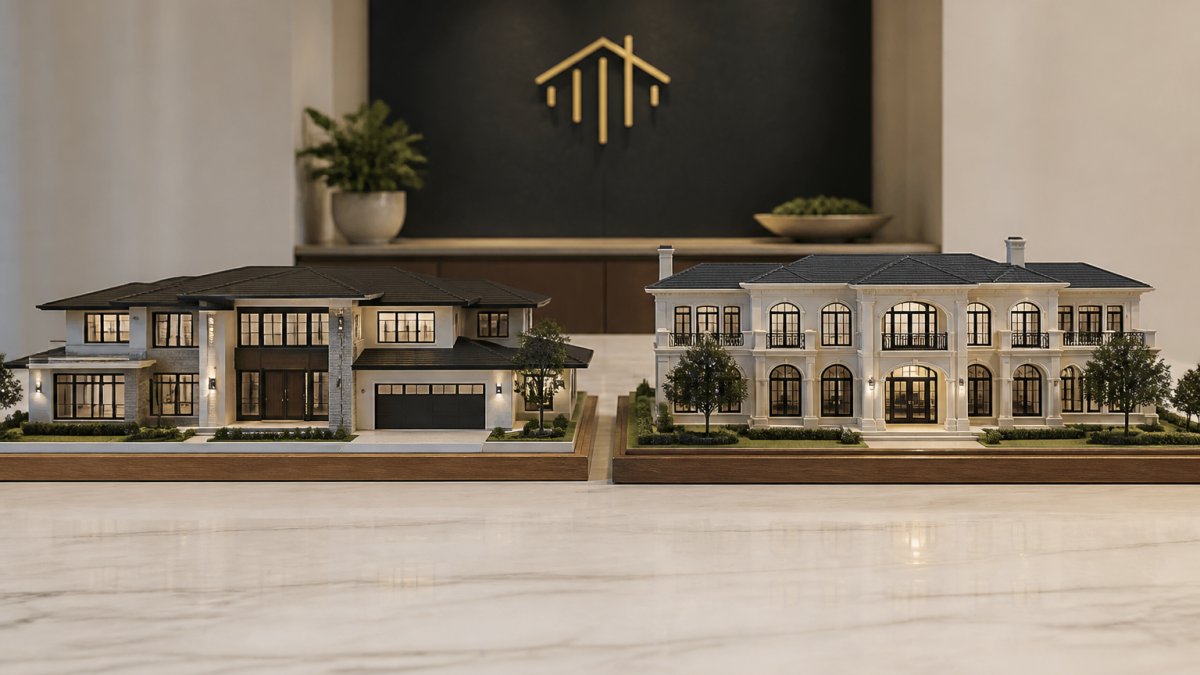
A luxury home is a finished residential property that meets high-end market standards, typically featuring premium finishes, desirable locations, and architectural appeal. A custom estate, by contrast, is a property where you either build from scratch or substantially renovate an existing structure to match your exact specifications. The luxury home buyer is purchasing proven value in an established market. The custom estate buyer is purchasing the ability to create something uniquely suited to their lifestyle and vision.
Market Overview: Pricing and Valuation
The luxury home market in Ventura County operates on comparable sales data, creating a relatively transparent pricing structure. Custom estates depend heavily on construction quality, architect reputation, and design uniqueness.
Custom estates often command premiums exceeding luxury home prices in the same neighborhood, but require significant capital upfront and a multi-year timeline.
Best Neighborhoods in Ventura County 2026
Some Ventura County neighborhoods feature established luxury inventory that has appreciated steadily, while others are becoming hotspots for custom estate development on larger, estate-sized lots.
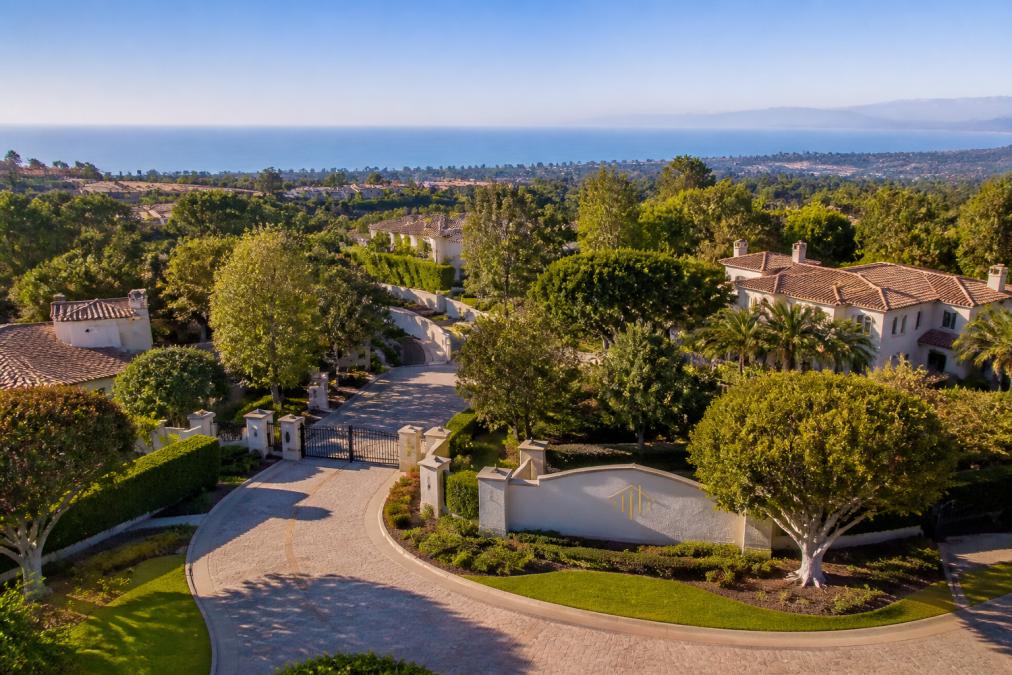
Prime coastal neighborhoods attract luxury home buyers seeking immediate oceanfront or ocean-view living with proven appreciation. Hillside and inland neighborhoods with larger lot sizes attract custom estate builders seeking privacy and architectural distinction.
Geographic breakdown matters significantly. Waterfront-adjacent neighborhoods command the highest price premiums for luxury homes. Mid-range luxury neighborhoods offer strong value and steady appreciation. Custom estate opportunities often exist in transitional neighborhoods where lot sizes are large enough to justify new construction but prices haven't yet reflected the potential of the land. Understanding which neighborhoods align with your goals, whether you want immediate luxury living or the ability to build something custom, shapes your entire search strategy.
Custom Home Builders in Ventura County and Bespoke Design
The custom home building landscape in Ventura County includes established builders with decades of track records and boutique firms specializing in architectural distinction. The best custom home builders combine construction expertise with an understanding of local zoning, permitting, and the specific challenges of building in Ventura County's regulatory environment.
When evaluating custom home builders, look for evidence of completed estates in your target neighborhoods. Request references from past clients and visit completed projects. The quality difference between a builder focused on volume and one focused on bespoke architecture becomes immediately obvious when you see their work in person. A reputable builder will have a portfolio of architecturally distinctive homes, not a catalog of similar designs repeated across multiple properties.
The relationship between architect and builder is critical. The best custom estates result from close collaboration between a visionary architect and a builder who understands how to execute complex designs without scope creep or timeline delays. Many high-net-worth buyers hire their own architect first, then select a builder capable of executing that vision. Others work with builders who have established relationships with preferred architects.
Cost to build varies dramatically based on finishes, complexity, and site conditions. A straightforward custom home on a prepared lot with standard finishes costs less than an architecturally complex estate with high-end materials and challenging site conditions. Budget for contingency, typically 10-15% of total construction cost, because unforeseen conditions often emerge during construction.
Cost to Build a Custom Home in Ventura County
Building a custom home in Ventura County requires understanding the full cost structure: land acquisition, design and permitting, construction, and contingency. Each component significantly impacts the total investment and timeline.
Land costs in Ventura County vary dramatically by location and lot characteristics. A buildable lot in a prime neighborhood may cost several hundred thousand dollars. Lot size, topography, and existing infrastructure all affect land value. Some buyers purchase existing homes specifically for the land, planning to demolish and rebuild, a strategy that can make sense if the land value alone justifies the acquisition.
Design and permitting costs are often underestimated by first-time custom builders. Architectural design fees typically range from 5-10% of total construction cost, depending on complexity. Permitting in Ventura County involves multiple agencies and can take 6-12 months. Some properties face additional environmental or historical review, extending timelines further. A skilled architect familiar with local permitting processes can significantly reduce delays and unexpected costs.
Construction costs depend on finishes, square footage, and complexity. A straightforward custom home with quality finishes costs more per square foot than a standard luxury home, but the result is a property tailored entirely to your specifications. Material choices, natural stone vs. engineered surfaces, custom millwork vs. stock cabinetry, create cost variation of 20-30% in the final product.
Timeline typically ranges from 18-36 months from design start to completion, depending on complexity and permitting speed. Buyers should plan for living elsewhere during construction or budget for temporary housing costs.
Tax, Zoning, and Privacy Considerations for Estate Properties
Estate properties face distinct tax and zoning implications that luxury home buyers should understand before committing capital. These legal and regulatory factors can significantly affect both the property's value and your ability to use it as intended.
Zoning restrictions in Ventura County vary by neighborhood and can limit what you're permitted to build or modify. Some areas restrict lot subdivision, limiting your ability to develop multiple properties. Others have minimum lot sizes that affect whether a property qualifies as an estate. Understanding zoning before purchasing land is critical, a piece of land you envision as a custom estate site may be zoned in a way that prevents your intended use.
Property taxes on high-value estates can be substantial. California's Proposition 13 limits tax increases, but large estates still carry significant annual tax obligations. Buyers should factor property taxes into their long-term cost analysis. Some custom estates also face special assessments for community infrastructure or coastal access, adding to annual costs.
Privacy and security features are major considerations for estate properties. Large lots with mature landscaping provide natural privacy. Many custom estates include gated entries, security systems, and architectural features designed to limit sightlines from neighboring properties. These features add cost during construction but provide significant lifestyle benefits for high-net-worth buyers seeking privacy.
Architectural review boards in some neighborhoods require approval for new construction or major modifications. These boards exist to maintain neighborhood character but can extend timelines and limit design freedom. Understanding review requirements before designing your custom estate prevents costly redesigns later.
Investment Potential and Market Stability
Both luxury homes and custom estates appreciate over time, but the dynamics differ. Luxury homes appreciate based on comparable market data, location desirability, and broader real estate market conditions. Custom estates appreciate based on the quality of construction, architectural distinction, and the scarcity of similar properties.
Luxury homes in established neighborhoods with strong buyer demand typically appreciate steadily. These properties attract a broad buyer base, families, downsizers, investors, creating consistent demand. Market volatility affects luxury homes like any real estate, but established neighborhoods tend to be more resilient during downturns.
Custom estates, when executed at the highest level, often appreciate faster than comparable luxury homes because they represent unique properties with limited supply.
Which Option Is Right for You?
| Option | Timeline | Customization | Appreciation Pattern | Best For |
|---|---|---|---|---|
| Luxury Home | Immediate (30-90 days) | Limited to existing features | Steady, comparable-based | Quick move-in, proven value |
| Custom Estate | 18-36 months | Complete design control | Potentially faster, architecture-driven | Vision-driven buyers, long-term investment |
According to the National Association of Home Builders, custom home construction represents a distinct market segment with different risk factors and appreciation dynamics than standard residential real estate. Understanding these differences is critical for high-net-worth buyers making seven-figure decisions.
Frequently Asked Questions
What defines a custom estate compared to a standard luxury home?
A custom estate is built from the ground up according to a buyer's specifications, featuring bespoke architecture, custom floor plans, and land-use zoning tailored to the owner's vision. Standard luxury homes are existing properties with premium amenities like guest suites, executive offices, and outdoor living spaces. Custom estates typically sit on larger, estate-sized lots and offer greater architectural integrity and personalization. Luxury homes offer immediate occupancy and established market valuation, while custom estates require construction timelines but deliver unique design elements that appreciate over time.
Are luxury homes and custom estates in Ventura County good long-term investments?
Both can be strong investments, but differently. Luxury homes in prime locations show steady market appreciation and offer liquidity due to established comparable sales. Custom estates provide capital appreciation through unique architectural design and land value, particularly in gated communities where privacy and exclusivity drive demand. Market volatility affects both, but high-net-worth properties in desirable neighborhoods demonstrate resilience. Your investment timeline and personal use goals should guide the choice, custom estates suit buyers planning 10+ year ownership, while luxury homes offer more flexibility.
What's the typical cost to build a custom home in Ventura County?
Custom home building costs vary significantly based on lot size, architectural design complexity, materials, and location. Estate-sized lots with premium finishes typically range from mid-seven figures to tens of millions. Coastal properties command higher land values. Construction timelines generally extend 18-36 months. Costs depend on specific design requirements, local building codes, and labor availability. Contact a local custom home builder or real estate advisor for detailed estimates based on your property specifications and neighborhood.
Which neighborhoods offer the most privacy and security for estate living?
Gated communities in Ventura County's prime locations offer the highest privacy and security. Exclusive listings in hillside and coastal neighborhoods feature architectural integrity, mature landscaping, and controlled access. Properties with estate-sized lots naturally provide greater privacy than standard residential developments. Neighborhoods with lower market saturation and fewer through-streets enhance security. Your real estate advisor can identify specific gated communities and private estates matching your privacy requirements and lifestyle preferences.