 how-to
Build Passive Income Real Estate Strategies: A How-To Guide
Table of Contents
- Step 1: Understand Passive Income Real Estate Fundamentals
- Step 2: Analyze Cash Flow and Calculate ROI on Local Rental Properties
- Step 3: Choose Your Investment Model
- Step 4: Explore the 7 Best Neighborhoods for Rental Properties in This Market
- Step 5: Master Rental Property Tax Deductions for Investors
- Step 6: Secure Financing and Use Your Assets
- Step 7: Build Long-Term Wealth Through Portfolio Diversification
- Common Mistakes to Avoid
- Frequently Asked Questions
Last Updated: September 24, 2026
Step 1: Understand Passive Income Real Estate Fundamentals
Passive income real estate strategies create money that flows in with minimal ongoing effort once you set things up correctly. This is fundamentally different from active income, where you trade time for dollars. Real estate generates passive income through two main channels: rental payments from tenants and appreciation of the property value over time.
The appeal is straightforward. You buy a property, tenants pay rent that covers your costs and generates profit, and the property itself typically increases in value. This dual income stream is why real estate ranks among the most reliable ways to build long-term wealth.
805forsale.com helps investors navigate the local market to identify properties that work as true passive income assets. The key is choosing the right property in the right location with the right financing structure.
What Counts as Passive Income in Real Estate
Passive income in real estate is money earned from a property without you actively working for it each day. The IRS defines passive income broadly, but real estate investors care about two specific types: rental income and capital appreciation.
Rental income arrives monthly when tenants pay rent. Capital appreciation happens when your property value increases over time. Both count as passive income for tax purposes, though they're taxed differently.
Many investors focus only on monthly rental income and miss the bigger picture. The property itself is an asset that builds equity. Over five to ten years, that equity growth often exceeds the rental income you collected.
Rental Income vs. Capital Appreciation
Rental income is predictable and steady. You know what rent will arrive each month. Capital appreciation is less predictable but often larger over long periods.
Consider this scenario: You buy a rental property for $500,000. Rent covers your mortgage, taxes, insurance, and maintenance. After expenses, you pocket $1,200 per month in cash flow. That's $14,400 per year in passive income.
Over ten years, that property might appreciate to $650,000. Your equity gain is $150,000 just from market appreciation. Combined with your rental income over the same period, your total return is substantial.
Smart investors balance both. They want steady monthly cash flow AND long-term appreciation. The neighborhoods you choose determine which benefit dominates.
Step 2: Analyze Cash Flow and Calculate ROI on Local Rental Properties
Cash flow is the difference between money coming in and money going out. Positive cash flow means you profit each month. Negative cash flow means you lose money.
Calculating ROI on rental properties requires understanding several metrics. These numbers tell you whether a property is worth buying.
Essential Metrics: Cap Rate and Cash-on-Cash Return
The capitalization rate (cap rate) shows what percentage return your investment generates annually. It's calculated by dividing the property's net operating income by its purchase price.
Here's the formula: Cap Rate = Net Operating Income ÷ Purchase Price
A property generating $30,000 in annual net income that costs $500,000 has a 6% cap rate. This metric helps you compare different properties quickly.
Cash-on-cash return is different. It measures the actual cash profit you receive in year one compared to the cash you invested upfront.
If you put $100,000 down on a property and receive $8,000 in cash profit during year one, your cash-on-cash return is 8%. This metric matters because it shows real money in your pocket.
Accounting for Debt Service and Operating Expenses
Most investors don't pay cash for properties. They finance them with mortgages. Your debt service, the monthly mortgage payment, is your largest expense.
Operating expenses include property taxes, insurance, maintenance, repairs, vacancy losses, and property management fees. These add up quickly.
A property that rents for $3,000 per month might have:
- Mortgage payment: $1,800
- Property taxes: $400
- Insurance: $150
- Maintenance reserve: $300
- Vacancy allowance: $150
- Property management: $300
Your cash flow is $3,000 minus $3,100 in expenses. That's negative $100 per month. This property loses money despite high rent.
This is why analyzing numbers before buying matters. Many investors skip this step and buy properties that drain cash instead of generating it.
Step 3: Choose Your Investment Model
You have choices about how to structure your real estate investment. Different models generate different returns and require different management effort.
Short-Term vs. Long-Term Rental Strategies
Short-term rentals (vacation rentals, Airbnb-style properties) generate higher monthly income but require active management. You handle guest communication, cleaning between stays, and maintenance issues with quick turnaround times.
Long-term rentals (traditional tenant leases) generate lower monthly income but require minimal management. A tenant signs a 12-month lease, pays rent, and you collect checks.
Short-term rentals might generate $4,000 per month. Long-term rentals might generate $2,200 per month on the same property. The difference is significant.
However, short-term rentals have higher expenses. You pay for cleaning services, higher utilities from frequent turnover, and marketing costs. Vacancy periods hit harder, an empty short-term rental generates nothing, while a long-term tenant provides predictable income.
Many investors start with long-term rentals to build a stable foundation. Once they understand the business, they convert select properties to short-term rentals for higher returns.
Multi-Family and ADU Opportunities
Multi-family properties (duplexes, apartment buildings) generate income from multiple units. A four-unit building with four tenants generates four rent payments instead of one.
This diversifies your risk. One vacant unit still leaves three generating income. The property itself is easier to finance and attracts more buyers when you sell.
Accessory dwelling units (ADUs) are smaller units on residential property. Many jurisdictions now allow ADUs, a separate cottage, basement apartment, or converted garage.
An ADU on your primary residence generates rental income while you live there. Some investors buy residential properties specifically to add ADUs and increase cash flow.
Step 4: Explore the 7 Best Neighborhoods for Rental Properties in This Market
Location determines everything in real estate. The best neighborhoods offer strong rental demand, reliable tenants, and property appreciation.
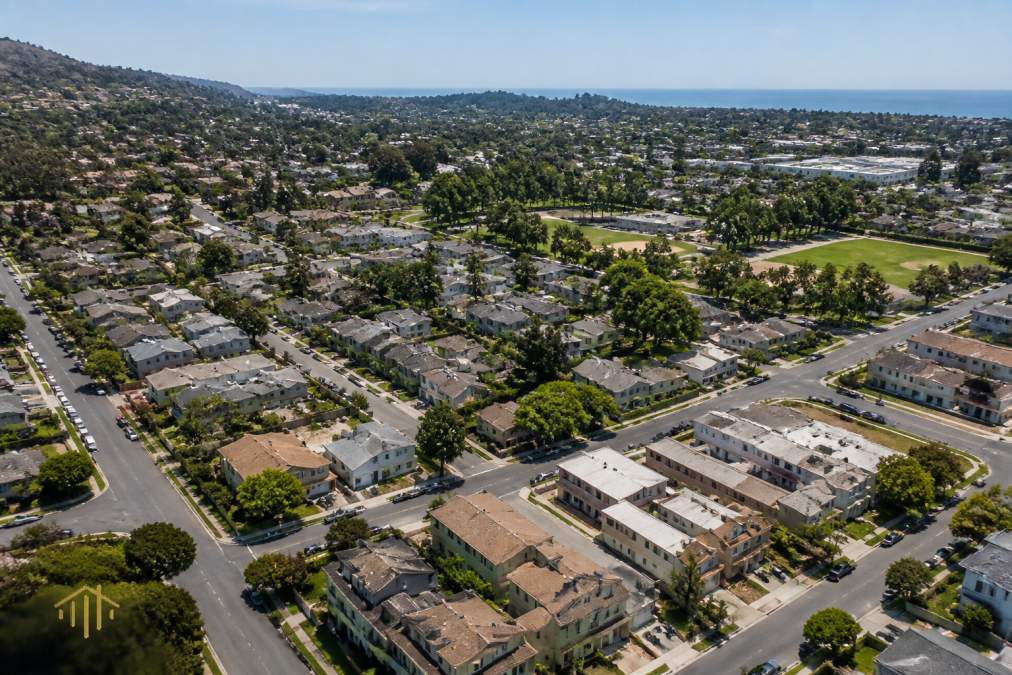
Market Performance and Rental Yield by Area
Strong neighborhoods share common characteristics: proximity to employment centers, good schools, low crime rates, and community amenities. Properties in these areas rent quickly and command higher rents.
Rental yield (annual rental income divided by property price) varies by neighborhood.
Zoning Laws and Regulatory Compliance
Zoning laws determine what you can do with a property. Some zones allow only single-family homes. Others allow multi-family buildings, short-term rentals, or commercial use.
Step 5: Master Rental Property Tax Deductions for Investors
The IRS allows rental property owners to deduct legitimate business expenses. These deductions reduce your taxable income, which lowers your tax bill.
Deductible Expenses and Record-Keeping
Mortgage interest is deductible (the principal portion is not). Property taxes are deductible. Insurance premiums are deductible. Maintenance and repairs are deductible.
1031 Exchange and Tax-Deferred Growth
A 1031 exchange allows you to sell a rental property and reinvest the proceeds into another property without paying capital gains tax immediately. The tax is deferred until you eventually sell without doing another exchange.
Step 6: Secure Financing and Use Your Assets
Most investors don't have $500,000 in cash sitting around. They use leverage, borrowed money, to control larger assets.
Financing Strategies in Today's Rate Environment
Interest rates affect your monthly payment and overall returns. Higher rates mean higher mortgage payments and lower cash flow.
Property Management vs. Self-Management ROI
Managing a property yourself saves the management fee, typically 8-12% of monthly rent. On a $2,000 monthly rent, that's $160-240 per month in savings.
Step 7: Build Long-Term Wealth Through Portfolio Diversification
Successful investors don't stop at one property. They build portfolios with multiple properties across different neighborhoods and property types. Working with a buyers agent who understands investment property criteria can streamline the acquisition process and help you identify properties that fit your portfolio strategy.
Risk Assessment and Market Volatility
Real estate markets fluctuate. Neighborhoods appreciate and depreciate. Economic downturns reduce rental demand. Natural disasters damage properties.
Common Mistakes to Avoid
New investors make predictable mistakes that cost money. Learning from others' errors is cheaper than making them yourself.
Frequently Asked Questions
What is the best way to generate passive income from real estate?
The most reliable approach combines rental income with long-term capital appreciation. Start by purchasing investment properties in high-yield neighborhoods, screen tenants carefully, and reinvest profits into additional assets. Short-term rentals generate faster cash flow but require more active management. Long-term rentals provide stable, predictable income while your property appreciates. Many successful investors use a mix of both models to balance cash flow and wealth building.
How do I calculate ROI on local rental properties?
Calculate cap rate by dividing annual net operating income by the property purchase price. For example, a $500,000 property generating $30,000 annual income has a 6% cap rate. Also track cash-on-cash return by dividing annual cash flow by your actual cash invested (including down payment and closing costs). These metrics reveal whether a property will generate adequate passive income relative to your investment and help you compare opportunities across different neighborhoods.
What rental property tax deductions for investors should I track?
Deductible expenses include mortgage interest, property taxes, insurance, maintenance and repairs, property management fees, utilities, advertising for tenants, and depreciation. Keep detailed records of all expenses and receipts. Many investors overlook vehicle mileage for property-related trips or home office deductions if you manage properties from home. Work with a tax professional familiar with rental property regulations to maximize your deductions and ensure compliance with IRS requirements.
What creates 90% of millionaires in real estate?
Real estate appreciation combined with leverage creates most wealth. By financing a property with a mortgage, you control an asset worth far more than your initial down payment. As the property appreciates and you pay down the mortgage, your equity grows exponentially. Over 20-30 years, multiple properties and reinvested profits through 1031 exchanges accelerate wealth building beyond what rental income alone could achieve, creating the foundation for long-term financial independence.