 how-to
Best Strategy for Selling Your Home: 7 Steps
Table of Contents
- Step 1: Price Your Home Competitively Using Market Data
- Step 2: Decide Between Selling As-Is or Preparing Your Home
- Step 3: Enhance Curb Appeal and Stage Your Home
- Step 4: Create Professional Marketing Materials
- Step 5: Avoid Common Home Selling Mistakes
- Step 6: Understand Timeline and Manage Days on Market
- Step 7: Navigate Negotiations and Closing
- Conclusion
Last Updated: August 29, 2026
Step 1: Price Your Home Competitively Using Market Data
Getting the price right is your foundation. An overpriced listing attracts fewer showings and sells for less than it would have if priced correctly initially. An underpriced listing leaves money on the table. Comparative market analysis is your solution.
Pull Comparable Market Analysis Data
A comparative market analysis (CMA) examines recently sold homes in your area similar in size, condition, and location. Start by identifying homes that sold within the last 90 days within a half-mile radius, with similar square footage (within 10-15%), same bedrooms and bathrooms, and comparable condition. The multiple listing service is your primary source. If you're working with an agent, they can pull this data directly. If selling independently, most MLS systems allow public access to sold listings.
Adjust for differences. If your home has a recently updated kitchen and a comparable doesn't, adjust upward. If a comparable has a pool and yours doesn't, adjust downward. These adjustments should reflect actual market value, not personal preferences. A pool might cost $50,000 to install but add only $15,000 to market value in your area.
The CMA gives you a range, not a single number. Your listing price should fall within that range, positioned based on your home's condition relative to comparables.
Account for Local Market Saturation and Buyer Demand
Market conditions matter as much as your home's features. In a seller's market with low inventory and high demand, you can price more aggressively. In a buyer's market with high inventory and fewer active buyers, competitive pricing becomes critical.
Check days on market for comparable sales. If homes are selling in 15 days on average, demand is strong. If they're taking 45+ days, demand is softer and you need competitive pricing to stand out. Look at inventory levels in your price range and area. High inventory means more competition, so pricing at the lower end of your range might be necessary to generate showings.
Consider seasonal factors. Spring typically brings more active buyers. Winter means fewer buyers are looking, making competitive pricing even more important to capture serious searchers.
National Association of Realtors market data
Step 2: Decide Between Selling As-Is or Preparing Your Home
Once you've established a competitive price range, decide what condition your home will be in when listed. This choice affects both timeline and net proceeds.
When an As-Is Sale Makes Sense
Selling as-is means the buyer accepts the property in its current condition. This works when you need to sell quickly, when repairs would be expensive relative to your equity, or when facing timeline constraints like job relocation or financial pressure.
An as-is sale typically means a lower selling price. Buyers factor in inspection risk and repair costs. If your home needs a new roof or significant electrical updates, buyers will deduct estimated repair costs from their offer. The advantage is speed and simplicity. The disadvantage is leaving money on the table. A home needing $30,000 in repairs might sell for $75,000 less than if those repairs were completed.
When to Invest in Repairs and Updates
If you have time and equity, strategic repairs often pay off. Focus on items affecting safety, functionality, and first impressions: a new roof, updated electrical panel, or fixed plumbing. Fresh paint, new flooring, and updated fixtures make homes feel move-in ready. These improvements typically return 70-100% of their cost.
Avoid over-improving. A $50,000 kitchen renovation in a $400,000 home makes sense. The same renovation in a $250,000 home probably doesn't. Get a pre-listing home inspection to identify what needs attention from a buyer's perspective. Consider market conditions. In a strong seller's market, buyers might accept minor issues. In a buyer's market, your home needs to be in excellent condition to compete.
Step 3: Enhance Curb Appeal and Stage Your Home
Your home's first impression happens before the front door opens. Curb appeal drives whether a buyer wants to see the inside. Staging creates an emotional connection and helps them envision themselves living there.
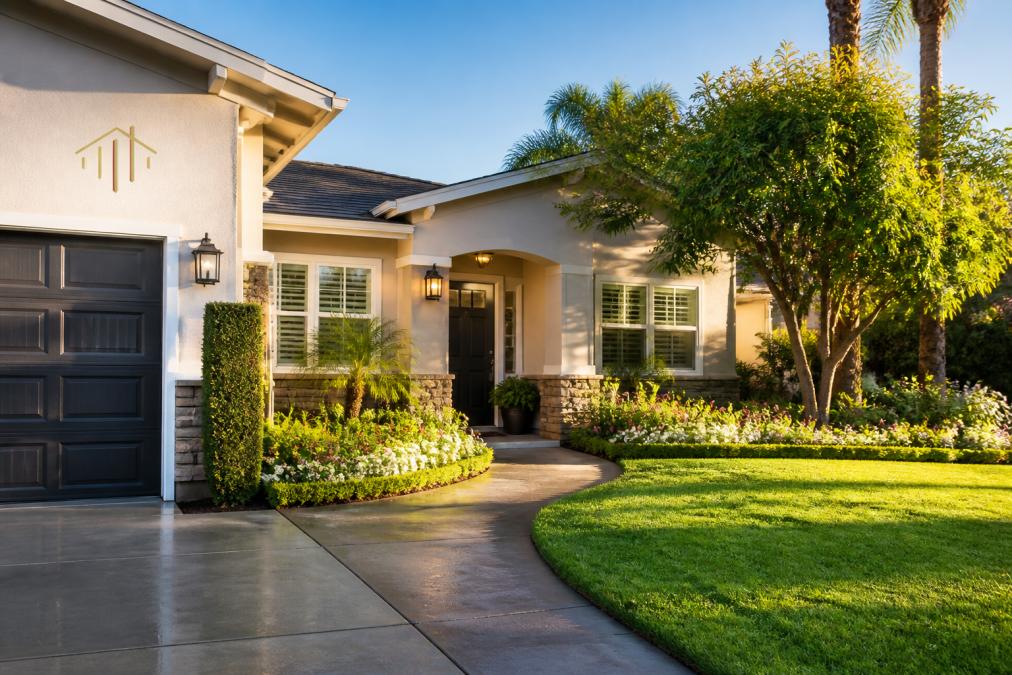
Quick Curb Appeal Wins
Power wash the driveway and walkway. Clean front windows. Trim overgrown bushes and trees. Fresh mulch in landscaping beds costs under $200 and looks dramatically better. Add flowering plants near the entrance.
Paint the front door if faded or outdated. A fresh coat on the garage door makes a visible difference. Ensure house numbers are visible and modern. Replace an old mailbox. These details cost under $500 combined and signal a well-maintained property.
Fix obvious issues: replace broken fence boards, repair loose gutters, caulk gaps around windows and doors. Ensure the front entrance is well-lit. Solar path lights add visual appeal and safety.
Interior Staging Strategy
Staging removes personal clutter and arranges furniture to highlight the home's best features. A staged home typically sells faster and for more money.
Remove 30-50% of personal items. Pack away family photos, personal collections, and excess furniture. Clear countertops and closets. Arrange furniture to define spaces and show functionality. Add neutral decor like fresh flowers, neutral throw pillows, and simple artwork. Avoid bold colors, religious items, and political signs.
Lighting and cleanliness are non-negotiable. Ensure every room is well-lit with open blinds and curtains. Deep clean everything: floors, windows, baseboards, light fixtures.
Step 4: Create Professional Marketing Materials
Your listing competes for attention in a crowded market. Professional photography and strong online presence determine how many qualified buyers see your home.
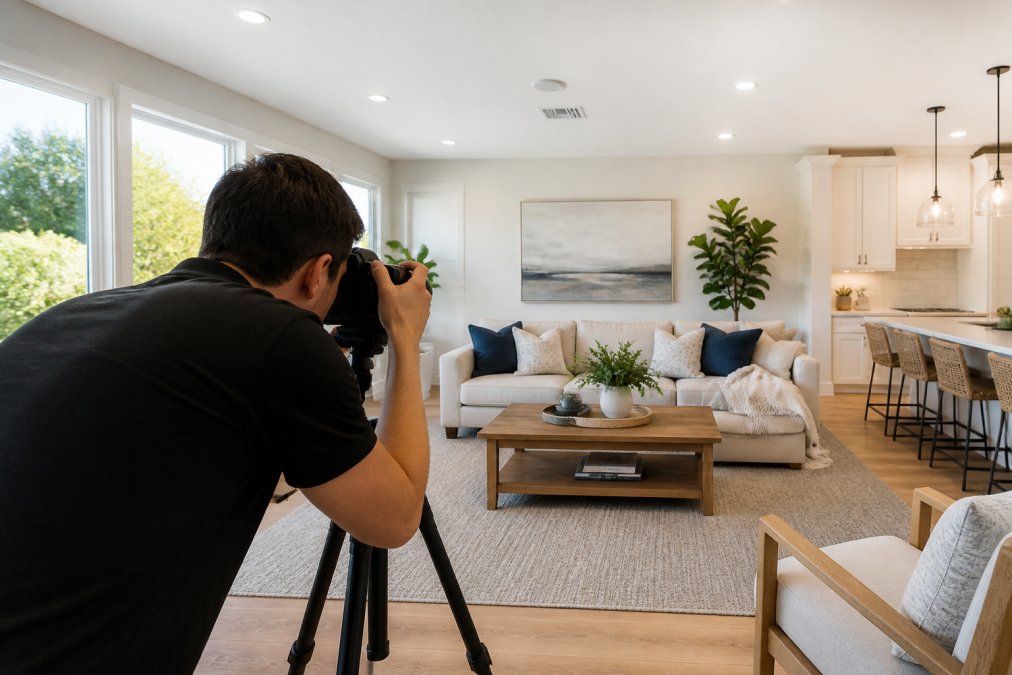
Professional Photography and Virtual Tours
Professional photography is essential. Most home searches start online. Poor photos mean your listing gets skipped. Professional photographers understand lighting, angles, and composition. They shoot during optimal lighting hours and use wide-angle lenses to make rooms feel spacious.
Virtual tours let buyers explore your home from their computer before scheduling a showing. This filters out uninterested buyers and gets serious buyers in the door with realistic expectations. Homes with virtual tours typically receive more qualified showings and sell faster.
Professional photography typically costs $150-300 for a standard package. Virtual tours add additional cost. This investment typically returns 5-10 times its cost through faster sales and higher prices.
Listing Strategy on Multiple Listing Service
Your MLS listing is seen by all agents and serious buyers. The description should highlight your home's best features and recent upgrades. Be specific: "Updated kitchen with granite countertops and stainless steel appliances" beats "Nice kitchen."
Include all relevant details: square footage, lot size, year built, bedrooms, bathrooms, parking, and special features. Use keywords buyers search for: "updated," "move-in ready," "natural light," "open floor plan."
Price competitively within your established range. Pricing at the top might reduce showings. Pricing in the middle or slightly below generates more activity and often results in multiple offers, which drives the final price up.
Step 5: Avoid Common Home Selling Mistakes
Understanding common pitfalls helps you avoid costly errors.
Pricing and Disclosure Errors
Overpricing is the most common mistake. Sellers often price based on what they paid or emotional attachment. The market cares what comparable homes sold for. An overpriced listing generates fewer showings, sits longer, and eventually sells for less than if priced correctly initially.
Disclosure errors create legal liability. Every jurisdiction requires sellers to disclose known defects and issues. Disclose structural problems, water damage, foundation issues, roof condition, and past insurance claims. Failure to disclose creates liability even after closing. Have a pre-listing inspection so you know about issues before listing and can decide whether to repair or disclose.
Marketing and Negotiation Pitfalls
Insufficient marketing means fewer buyers see your home. A listing sitting 60+ days generates less interest and often sells for less. Invest in professional photography, virtual tours, and strategic pricing to generate early showings, which often result in multiple offers and higher prices.
Negotiate from strategy, not emotion. Evaluate offers objectively. Does it meet your financial needs? Is the buyer pre-approved? Are contingencies reasonable? Don't reject offers because they're "insulting." Sometimes accepting reasonable requests is faster than renegotiating or losing the buyer.
Step 6: Understand Timeline and Manage Days on Market
How long your home stays on the market affects stress level and final selling price.
Realistic Expectations for Sale Duration
Market conditions determine realistic timelines. In a strong seller's market, homes might sell in 10-15 days. In a balanced market, 25-40 days is typical. In a buyer's market, 45-90+ days is common.
Your home's condition, price, and location also affect timeline. A well-priced, move-in ready home in a desirable area sells faster than a fixer-upper. The first 10 days are critical. Most homes receive their highest number of showings in the first two weeks. If your home doesn't generate interest quickly, adjust price or marketing immediately.
Reducing Days on Market Through Strategy
Competitive pricing is the single most effective way to reduce days on market. A home priced 5-10% below market value generates significantly more showings and often sells faster and for more money than one priced at or above market value.
Professional marketing accelerates showings. High-quality photos, virtual tours, and compelling descriptions generate more online interest. Flexible showing availability increases showings. Lockbox access and same-day appointments mean more buyers see your home.
Staging and curb appeal matter for timeline. A well-staged, attractive home generates more showing requests and serious buyers. Strategic open houses can generate activity, though agent-driven showings are more effective.
Step 7: Navigate Negotiations and Closing
The offer stage is where strategy becomes critical. How you handle offers, contingencies, and negotiation determines your final proceeds and closing timeline.
Handling Offers and Contingencies
When you receive an offer, evaluate it systematically. The offer price matters, but so do contingencies. A $500,000 offer with no inspection contingency is different from a $510,000 offer with a full inspection contingency.
Key contingencies to evaluate:
- Inspection contingency: Allows the buyer to renegotiate or walk if inspections reveal issues.
- Appraisal contingency: Protects the buyer if the appraisal comes in below the offer price.
- Financing contingency: Allows the buyer to walk if they can't get financing.
- Sale of current home contingency: The buyer's offer is contingent on selling their current home.
Cash offers with no contingencies are the cleanest, fastest path to closing. Financed offers with standard contingencies are normal. Negotiate strategically. If you receive multiple offers, use competing offers to negotiate better terms with your preferred buyer.
Understanding Closing Costs and Net Proceeds
Closing costs typically run 1-3% of the sale price for sellers, including real estate agent commission (typically 5-6%), title insurance, escrow fees, and transfer taxes.
Calculate your net proceeds before accepting an offer. If selling for $500,000 with 6% agent commission and $5,000 in other closing costs, your net proceeds are approximately $475,000.
Understand your mortgage payoff. If you owe $300,000, that comes out of your $475,000 net proceeds, leaving you with $175,000 in equity.
Capital gains tax might apply if you have significant gains. Most homeowners can exclude up to $250,000 (single) or $500,000 (married filing jointly) of capital gains from federal income tax if you've owned and lived in the home for at least 2 of the last 5 years. Consult a tax professional about your specific situation.
Seller concessions are costs you might agree to pay, including buyer's closing costs or repair credits. These reduce your net proceeds. Evaluate whether accepting concessions is better than renegotiating price or losing the buyer.
IRS guidance on home sale capital gains exclusion
The closing process typically takes 30-45 days from accepted offer to closing. During this time, the buyer secures financing, the appraisal is ordered, inspections occur, and title work is completed. Your role is responsive, providing documents and coordinating with escrow.
Selling your home successfully requires strategy at every stage. Pricing competitively, preparing your home appropriately, and marketing professionally generate more showings and offers. Avoiding common mistakes prevents costly delays. Understanding timelines, contingencies, and closing costs ensures you maximize your net proceeds.
At 805forsale.com, we help sellers accomplish their real estate goals through strategic pricing, professional marketing, and expert negotiation. Our approach focuses on maximizing your net proceeds while minimizing stress and timeline uncertainty. If you're planning to sell your home, working with a real estate professional who understands your local market makes the difference between a successful sale and a frustrating experience. National Association of Realtors seller resources provides additional guidance on the selling process and what to expect at each stage.
Frequently Asked Questions
What is the best strategy for selling your home in a competitive market?
The best strategy combines accurate pricing based on comparative market analysis, professional marketing with high-quality photography, strategic staging, and expert negotiation. Price competitively but not below market value, invest in visual presentation since most buyers start online, and work with someone who understands local market trends. In competitive markets, homes with strong curb appeal, professional photos, and realistic pricing sell faster and often for higher prices than homes listed without these elements.
How long does it typically take to sell a home?
Average time to sell a home varies by market conditions, but typically ranges from 30 to 90 days. In strong buyer markets, homes can sell in 2-3 weeks; in slower markets, 3-6 months is common. Factors affecting timeline include pricing accuracy, property condition, market saturation, and seasonal demand. Homes priced correctly and marketed professionally tend to sell faster than those listed overpriced or with poor visual presentation.
Should I sell my house as-is or make repairs first?
Selling a house as-is works best if repairs are extensive, you need to sell quickly, or the property requires specialized work. However, minor repairs and cosmetic updates (fresh paint, landscaping, staging) typically return their investment and reduce days on market. A pre-listing inspection identifies major issues; if repairs exceed 10-15% of your home's value, selling as-is may be smarter. Buyers often expect concessions for as-is sales, potentially reducing your net proceeds.
What are the most common mistakes sellers make?
Common home selling mistakes include overpricing (the single biggest error), neglecting curb appeal, poor-quality photos, incomplete disclosure forms, and pricing without market analysis. Many sellers also depersonalize insufficiently, fail to stage effectively, or ignore local market trends. Emotional attachment to the home often leads to unrealistic pricing expectations. Working with experienced representation helps avoid these pitfalls and ensures proper disclosure compliance, which protects you legally and builds buyer confidence.
This article was written using GrandRanker
Frequently Asked Questions
What is the best strategy for selling your home in a competitive market?
The best strategy combines accurate pricing based on comparative market analysis, professional marketing with high-quality photography, strategic staging, and expert negotiation. Price competitively but not below market value, invest in visual presentation since most buyers start online, and work with someone who understands local market trends. In competitive markets, homes with strong curb appeal, professional photos, and realistic pricing sell faster and often for higher prices than homes listed without these elements.
How long does it typically take to sell a home?
Average time to sell a home varies by market conditions, but typically ranges from 30 to 90 days. In strong buyer markets, homes can sell in 2-3 weeks; in slower markets, 3-6 months is common. Factors affecting timeline include pricing accuracy, property condition, market saturation, and seasonal demand. Homes priced correctly and marketed professionally tend to sell faster than those listed overpriced or with poor visual presentation.
Should I sell my house as-is or make repairs first?
Selling a house as-is works best if repairs are extensive, you need to sell quickly, or the property requires specialized work. However, minor repairs and cosmetic updates (fresh paint, landscaping, staging) typically return their investment and reduce days on market. A pre-listing inspection identifies major issues; if repairs exceed 10-15% of your home's value, selling as-is may be smarter. Buyers often expect concessions for as-is sales, potentially reducing your net proceeds.
What are the most common mistakes sellers make?
Common home selling mistakes include overpricing (the single biggest error), neglecting curb appeal, poor-quality photos, incomplete disclosure forms, and pricing without market analysis. Many sellers also depersonalize insufficiently, fail to stage effectively, or ignore local market trends. Emotional attachment to the home often leads to unrealistic pricing expectations. Working with experienced representation helps avoid these pitfalls and ensures proper disclosure compliance, which protects you legally and builds buyer confidence.