 ultimate-guide
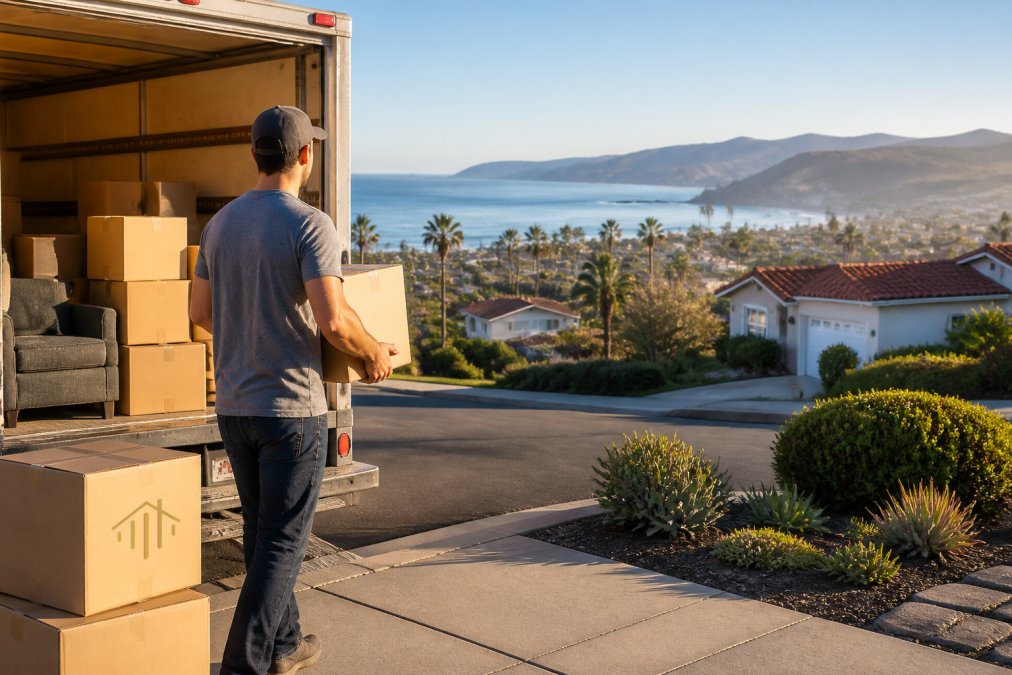
Relocating to Ventura County: A 2026 Guide
Table of Contents
- Understanding the Ventura County Real Estate Market
- Best Neighborhoods in Ventura County 2026
- Cost of Living in Ventura County
- Moving to Ventura County From Out of State
- Climate, Weather, and Disaster Preparedness
- Schools, Commute Times, and Transportation
- Job Market and Economic Growth
- Pros and Cons of Relocating to Ventura County
- Frequently Asked Questions
Understanding the Ventura County Real Estate Market
Relocating to Ventura County requires understanding a market that has fundamentally shifted over the past five years. Property values have climbed steadily, driven by demand from remote workers, retirees, and families seeking coastal access without the extreme price tags of Los Angeles County. The median home price reflects this demand, and inventory remains competitive across most neighborhoods.
The real estate landscape here is fragmented. Coastal communities command premium pricing. Inland areas offer more breathing room for budgets. Growing neighborhoods on the county's edges attract investors and first-time buyers. At 805forsale.com, we help buyers navigate these distinct submarkets and find properties that match both their financial reality and lifestyle goals.
What most guides miss is that Ventura County isn't monolithic. A $1.8 million home in Ojai looks nothing like the same price point in Oxnard. The commute times, school districts, and community character vary dramatically. Your first step isn't finding the perfect house, it's understanding which neighborhood actually fits your life.
The market rewards informed buyers. Those who understand local conditions, neighborhood-specific trends, and the actual costs of relocating make better decisions faster. Those who don't often overpay, underestimate ongoing expenses, or choose neighborhoods that don't match their needs.
Best Neighborhoods in Ventura County 2026
Coastal Communities
Coastal neighborhoods command attention and premium pricing. Ventura's beachfront areas, Pierpont Bay, the Strand, and Olivas, attract those willing to pay for ocean access and the lifestyle that comes with it. These communities offer walkability to restaurants and shops, consistent mild weather, and beach recreation steps from home.

Oxnard's coastal pocket, particularly around Silver Strand Beach, offers a slightly more affordable entry point while maintaining beach proximity. Port Hueneme provides similar advantages with a quieter, more residential feel. These communities attract families, remote workers, and retirees who prioritize outdoor recreation and don't mind higher property taxes in exchange for location.
Ojai sits inland but commands coastal-level pricing due to its artistic community, mountain scenery, and small-town character. It's popular with creative professionals and those seeking a slower pace. The trade-off: a 45-minute commute to Ventura or Oxnard for work.
Inland and Growing Areas
Thousand Oaks represents the sweet spot for many families relocating to Ventura County. It's inland enough to offer reasonable property prices compared to coastal areas, yet close enough to beaches for weekend trips. The schools rank well, the community is established, and the demographic skews toward families with children.
Camarillo has experienced significant growth and attracts investors and young professionals. It sits between Thousand Oaks and Oxnard, offering a balance of affordability and proximity to employment centers. The infrastructure continues expanding, making it attractive for those who don't need to be on the coast.
Port Hueneme and Oxnard's inland neighborhoods offer the most affordable entry points in the county. These areas appeal to first-time buyers, investors seeking rental properties, and those prioritizing affordability over coastal access. Job market growth in these areas has improved significantly, particularly in healthcare and technology sectors.
Newbury Park, nestled between Thousand Oaks and Camarillo, offers a growing community with newer construction and family-oriented amenities. It's become increasingly popular with relocating families from out of state.
Cost of Living in Ventura County
Housing and Property Taxes
Housing costs dominate the relocation conversation. Property prices vary dramatically by neighborhood and proximity to the coast. Coastal properties command premium pricing. Inland areas offer more affordable options but still reflect strong demand.
Property taxes in Ventura County run approximately 0.76% of assessed home value annually, which is lower than the state average. However, Proposition 13 means your property taxes are based on the purchase price, not current market value. This matters significantly when relocating from states with higher property tax burdens, the tax advantage can be substantial.
Closing costs typically range from 2-5% of the purchase price, depending on loan type and whether you're paying cash (consumer.ftc.gov). First-time buyers should budget for inspection, appraisal, title insurance, and escrow fees. These costs add up quickly on higher-priced properties.
Utilities and Everyday Expenses
Utilities in Ventura County are moderate compared to national averages, though electricity rates have risen. Summer cooling costs are lower than inland California due to coastal breezes, but inland areas experience higher summer expenses. Water costs have increased due to drought concerns and conservation mandates.
Grocery and general living expenses track slightly above the national average but below Los Angeles County levels. Gasoline prices fluctuate with state fuel taxes and refinery capacity. Insurance, both auto and home, runs higher than national averages due to wildfire risk and coastal exposure.
Moving to Ventura County From Out of State
Tax Implications for Retirees and Remote Workers
Relocating from out of state requires understanding California's tax environment, particularly for those receiving retirement income or working remotely.
California taxes retirement income differently depending on the source. Social Security benefits are generally not taxed. Pension income, 401(k) withdrawals, and IRA distributions are fully taxable. If you're relocating as a retiree, your effective tax rate may be higher than your previous state. However, some retirees find that lower property taxes and no income tax states nearby (like Nevada) offer strategies worth exploring.
Remote workers should understand California's position on state income tax. If you work for a company headquartered outside California but live and work here, California taxes your income. This applies regardless of where your employer is located. The state is aggressive about collecting taxes from remote workers, so budget accordingly.
Establishing residency in California is straightforward but requires documentation. You'll need to obtain a California driver's license within 10 days of moving, register your vehicle in the state, and update your address with the IRS and Social Security Administration. These steps establish your residency for tax purposes.
Establishing Residency and Local Connections
Moving to a new community without existing networks requires intentional effort. Ventura County offers numerous community groups, professional organizations, and social networks specific to different neighborhoods.
Schools provide natural community anchors if you have children. Parent organizations, sports leagues, and school events create instant networks. For those without children, neighborhood associations, volunteer opportunities, and hobby groups serve similar functions.
The county's recreational infrastructure, parks, hiking trails, beach access, and sports facilities, provides regular gathering points. Many relocators find that consistent participation in activities (running groups, yoga classes, volunteer work) builds relationships faster than passive networking.
Climate, Weather, and Disaster Preparedness
Ventura County's climate is one of its primary attractions. Coastal areas maintain consistent temperatures year-round, with average highs around 70°F and lows around 55°F (noaa.gov). Inland areas experience slightly more variation, with summer highs reaching the mid-80s and occasional winter lows in the 40s.
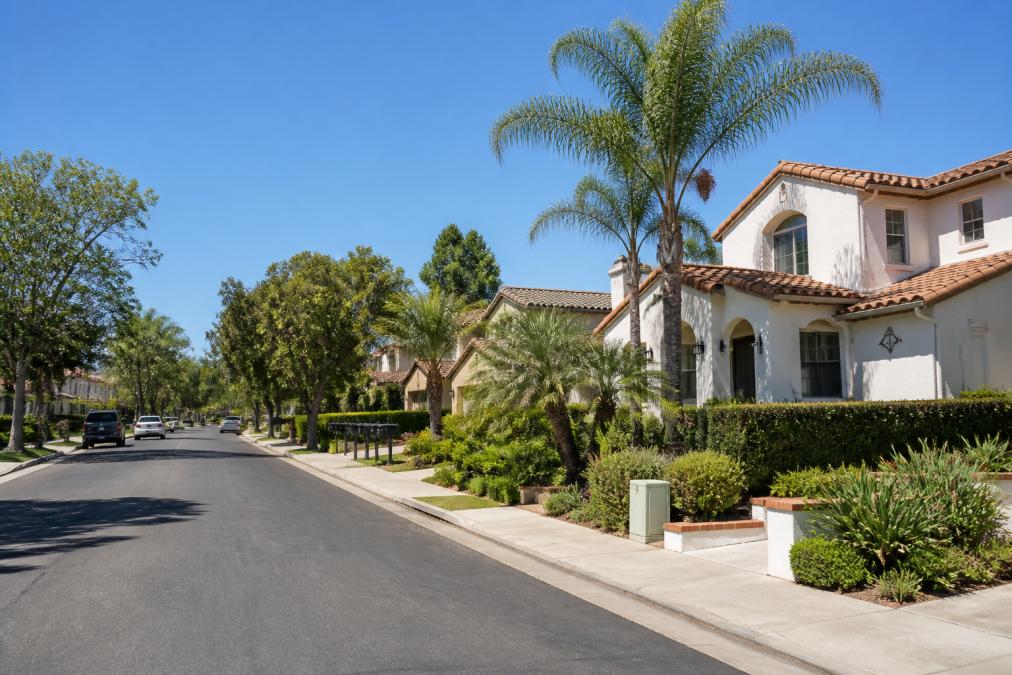
Rainfall concentrates in winter months, typically November through March. Annual precipitation averages 15-20 inches, significantly less than most of the United States (noaa.gov). This dry climate appeals to those with respiratory issues but requires understanding drought implications for water costs and landscaping.
Wildfire and Earthquake Readiness
Wildfire risk is real in Ventura County, particularly in inland and foothill communities. The 2023 fires and ongoing drought have made disaster preparedness essential. Communities in fire-prone areas should understand evacuation routes, maintain defensible space around homes, and have emergency plans ready.
Earthquake preparedness is equally important. Ventura County sits near the Ventura Fault, and the region experiences occasional seismic activity. Securing water supplies, maintaining emergency kits, and understanding building codes for earthquake resistance should inform your home selection and preparation.
Insurance costs reflect these risks. Homeowner's insurance premiums are higher in Ventura County than national averages, particularly in high-risk fire areas. Some insurers have reduced coverage in the county, making insurance shopping essential before purchasing.
Schools, Commute Times, and Transportation
School district quality varies significantly across the county. Thousand Oaks Unified School District and Ojai Unified consistently rank well. Camarillo and Newbury Park schools perform above county averages. Oxnard and Port Hueneme schools face more challenges but continue improving.
Commute times depend entirely on where you work and where you live. Coastal to inland commutes can exceed 45 minutes during peak hours. Inland to inland commutes are typically 20-30 minutes. Remote workers eliminate commute concerns but should verify reliable high-speed internet availability in their chosen neighborhood.
Public Transit and Car-Free Living Options
Ventura County is car-dependent. Public transit exists but is limited compared to Los Angeles or San Francisco. Intercity buses connect major towns, and local transit serves some neighborhoods, but frequency and coverage are sparse outside central urban areas.
Car-free living is feasible only in the most walkable neighborhoods, central Ventura and downtown Oxnard offer the best transit access and walkability. Most relocators should plan for car ownership. This is particularly important if you're coming from a transit-rich city like New York or San Francisco.
Cycling infrastructure is improving, particularly in Ventura and Ojai, but remains underdeveloped compared to other California coastal regions. Families and commuters should verify bike routes before choosing neighborhoods.
Job Market and Economic Growth
Ventura County's economy has diversified beyond its historical oil and agriculture base. Healthcare, technology, aerospace, and professional services now drive employment growth. Ventura and Oxnard have attracted tech companies and startups, creating remote work opportunities.
Healthcare employment remains strong. Ventura County Medical Center and private hospital systems employ thousands. Nursing, administrative, and clinical positions are consistently available.
Aerospace and defense contractors maintain a presence, particularly in Camarillo and Thousand Oaks. These positions typically require security clearances and specialized skills but offer stability and competitive compensation.
Professional services, accounting, legal, consulting, are available throughout the county. Real estate, insurance, and financial services are well-represented. Retail and hospitality provide entry-level opportunities but at wages that can make housing affordability challenging.
Remote work has fundamentally changed job market dynamics. Many relocators work for out-of-state companies, eliminating the need to find local employment. This has accelerated migration to Ventura County and increased housing demand.
Pros and Cons of Relocating to Ventura County
Pros of relocating to Ventura County:
Lifestyle access is immediate. Beach recreation, hiking trails, and outdoor activities are minutes away from most neighborhoods. The mild climate means year-round outdoor living without extreme heat or cold.
Community stability appeals to families. Established neighborhoods have strong schools, parks, and family-oriented amenities. Many communities have deep roots and strong neighborhood identities.
Proximity to Los Angeles provides employment and cultural opportunities without requiring residence in the city. The 45-minute to 90-minute drive is manageable for those who need occasional LA access.
Cost of living, while higher than national averages, is significantly lower than coastal Los Angeles County. You get coastal access at a fraction of Malibu or Santa Monica pricing.
Cons of relocating to Ventura County:
Housing costs remain high, particularly in desirable neighborhoods. First-time buyers and those relocating from affordable states often find prices shocking. Median home prices continue climbing, outpacing wage growth.
Car dependency is significant. Unlike San Francisco or Los Angeles, public transit is minimal. You need a car for daily living. This increases transportation costs and reduces flexibility for those without driving ability.
Wildfire and earthquake risk require ongoing vigilance. Insurance costs are higher. Disaster preparedness isn't optional, it's essential. Some relocators find this stress level unacceptable.
Water scarcity affects long-term sustainability. Drought is a real concern. Landscaping restrictions and water costs will likely increase. Those relocating from water-rich regions may struggle with conservation mindset.
Job market limitations exist for those needing local employment. While opportunities exist, they're concentrated in specific industries. Career changers may find limited options in their field.
Homelessness and housing affordability issues are visible in some areas. Oxnard and Ventura have significant homeless populations. Urban decay is present in some neighborhoods, though revitalization efforts are ongoing.
Relocating to Ventura County is achievable when you understand the market, neighborhood options, and true costs of living here. The lifestyle benefits are real, coastal access, mild weather, and established communities attract thousands of relocators annually. But success requires honest assessment of your budget, job flexibility, and tolerance for California's regulatory environment.
At 805forsale.com, we help relocators navigate this process with local expertise and market knowledge that accelerates your decision. Whether you're moving from out of state or upgrading within the county, understanding neighborhoods, costs, and market conditions determines whether you make a smart investment or overpay for the wrong property. Get started with 805forsale.com and find a property that matches your actual lifestyle and budget, not just your initial impression of the market.
Frequently Asked Questions
Q: What is the best neighborhood to live in Ventura County?
A: The best neighborhood depends on your lifestyle and budget. Coastal communities like Ojai and Ventura offer beach access and outdoor recreation. Inland areas like Thousand Oaks provide family-friendly environments with strong schools. Camarillo balances affordability with suburban amenities. When relocating to Ventura County from out of state, consider proximity to your workplace, school district ratings, and whether you prefer urban or quieter settings.
Q: How much do you have to make to live comfortably in Ventura County?
A: Comfortable living depends on your lifestyle and housing choice. With median home prices exceeding $1 million, most homebuyers benefit from household incomes of $150,000 or more to manage mortgage payments, property taxes, and cost of living. Renters can live on lower incomes, but housing costs typically consume 30-40% of income. Factor in California's state income tax (up to 13.3%) and utility costs when budgeting.
Q: Is it cheaper to live in Ventura County or Los Angeles County?
A: Ventura County generally offers lower median home prices and property taxes compared to Los Angeles County, though differences vary by specific city. Coastal areas in both counties command premium prices. Inland Ventura County communities are often more affordable than comparable Los Angeles neighborhoods. Cost of living in Ventura County is comparable to LA for groceries, utilities, and services, but property taxes may be lower due to lower home values in some areas.
Q: What are the pros and cons of moving to Ventura County?
A: Pros include excellent outdoor recreation, coastal access, strong school districts in many areas, and a diverse job market. Cons include high housing costs, property taxes, earthquake and wildfire risks, and traffic congestion during commute times. The climate is mild year-round, but summer heat can be intense inland. Public transit is limited outside major corridors, making a car essential for most residents.
Q: What tax implications should I know about when moving to Ventura County from out of state?
A: California has the highest state income tax rate in the nation (up to 13.3%). Retirees should understand how Social Security and retirement account withdrawals are taxed. Remote workers may face California income tax even if their employer is out of state. Property taxes are capped at 1% of assessed value under Proposition 13, but reassessments occur on property transfers, potentially increasing your tax burden significantly when you purchase.
Q: What should I know about wildfire and earthquake preparedness in Ventura County?
A: Ventura County experiences seasonal wildfire risk, particularly in fall and winter. Homes in high-risk zones should have defensible space and ember-resistant construction. The region sits near the Ventura Fault and San Andreas Fault, making earthquake preparedness essential. Maintain emergency supplies, secure heavy furniture, and understand your home's seismic retrofitting needs. Many insurance policies have wildfire and earthquake deductibles; review coverage before relocating.
Q: How feasible is car-free living in Ventura County?
A: Car-free living is challenging outside downtown Ventura and Ojai, where public transit exists but is limited. Most areas lack comprehensive public transportation, making vehicle ownership necessary for work, shopping, and recreation. Biking is viable in some communities during mild months, but distances and terrain make it impractical year-round. If you're relocating to Ventura County from out of state without a car, plan to purchase one soon after arrival.
Q: What are the top outdoor activities and recreation options?
A: Ventura County offers hiking trails in the Topatopa Mountains, beach access for surfing and swimming, kayaking in harbors, and camping in national forests. Outdoor recreation is a major lifestyle draw. State parks and beaches provide year-round activities. The mild climate supports outdoor pursuits most of the year. Proximity to these amenities is a key factor when choosing neighborhoods, particularly for families and active retirees.
This article was written using GrandRanker
Frequently Asked Questions
Q: What is the best neighborhood to live in Ventura County?
A: The best neighborhood depends on your lifestyle and budget. Coastal communities like Ojai and Ventura offer beach access and outdoor recreation. Inland areas like Thousand Oaks provide family-friendly environments with strong schools. Camarillo balances affordability with suburban amenities. When relocating to Ventura County from out of state, consider proximity to your workplace, school district ratings, and whether you prefer urban or quieter settings.
Q: How much do you have to make to live comfortably in Ventura County?
A: Comfortable living depends on your lifestyle and housing choice. With median home prices exceeding $1 million, most homebuyers benefit from household incomes of $150,000 or more to manage mortgage payments, property taxes, and cost of living. Renters can live on lower incomes, but housing costs typically consume 30-40% of income. Factor in California's state income tax (up to 13.3%) and utility costs when budgeting.
Q: Is it cheaper to live in Ventura County or Los Angeles County?
A: Ventura County generally offers lower median home prices and property taxes compared to Los Angeles County, though differences vary by specific city. Coastal areas in both counties command premium prices. Inland Ventura County communities are often more affordable than comparable Los Angeles neighborhoods. Cost of living in Ventura County is comparable to LA for groceries, utilities, and services, but property taxes may be lower due to lower home values in some areas.
Q: What are the pros and cons of moving to Ventura County?
A: Pros include excellent outdoor recreation, coastal access, strong school districts in many areas, and a diverse job market. Cons include high housing costs, property taxes, earthquake and wildfire risks, and traffic congestion during commute times. The climate is mild year-round, but summer heat can be intense inland. Public transit is limited outside major corridors, making a car essential for most residents.
Q: What tax implications should I know about when moving to Ventura County from out of state?
A: California has the highest state income tax rate in the nation (up to 13.3%). Retirees should understand how Social Security and retirement account withdrawals are taxed. Remote workers may face California income tax even if their employer is out of state. Property taxes are capped at 1% of assessed value under Proposition 13, but reassessments occur on property transfers, potentially increasing your tax burden significantly when you purchase.
Q: What should I know about wildfire and earthquake preparedness in Ventura County?
A: Ventura County experiences seasonal wildfire risk, particularly in fall and winter. Homes in high-risk zones should have defensible space and ember-resistant construction. The region sits near the Ventura Fault and San Andreas Fault, making earthquake preparedness essential. Maintain emergency supplies, secure heavy furniture, and understand your home's seismic retrofitting needs. Many insurance policies have wildfire and earthquake deductibles; review coverage before relocating.
Q: How feasible is car-free living in Ventura County?
A: Car-free living is challenging outside downtown Ventura and Ojai, where public transit exists but is limited. Most areas lack comprehensive public transportation, making vehicle ownership necessary for work, shopping, and recreation. Biking is viable in some communities during mild months, but distances and terrain make it impractical year-round. If you're relocating to Ventura County from out of state without a car, plan to purchase one soon after arrival.
Q: What are the top outdoor activities and recreation options?
A: Ventura County offers hiking trails in the Topatopa Mountains, beach access for surfing and swimming, kayaking in harbors, and camping in national forests. Outdoor recreation is a major lifestyle draw. State parks and beaches provide year-round activities. The mild climate supports outdoor pursuits most of the year. Proximity to these amenities is a key factor when choosing neighborhoods, particularly for families and active retirees.