 How-to
How to Qualify for an FHA Loan in Ventura County in 2026
Last Updated: November 8, 2026
Quick Summary
An FHA loan in Ventura County generally requires a minimum FICO score of 580 for the 3.5% down payment option, housing and total debt ratios near 31% and 43%, and two years of verifiable income. The property must pass an appraisal and be your primary residence, and the loan amount must stay under the current FHA limit for your unit count.
- Most lenders look for a minimum FICO score of 580 for the lowest down payment.
- A 3.5% down payment is usually possible with a 580 or higher score.
- FHA guidelines generally cap the housing ratio near 31% and total debt near 43%.
- Expect to show two years of W-2s, tax returns, and recent pay stubs.
- Get preapproved and confirm the loan amount fits the current county limit before shopping.
Table of Contents
- FHA Loan Requirements in California: The Baseline Rules
- Ventura County FHA Loan Limits for 2026
- Step-by-Step Qualification Checklist for Ventura County Buyers
- Property Eligibility, Appraisal, and Condition Requirements
- Documents Needed for an FHA Loan Application
- Where to Apply for an FHA Loan and What Happens Next
- Start Your Ventura County FHA Preapproval This Week
- Frequently Asked Questions
FHA Loan Requirements in California: The Baseline Rules
An FHA loan is a mortgage backed by the Federal Housing Administration, and it is one of the most accessible ways for first-time buyers to qualify in Ventura County. The rules are set nationally, so they apply here just as they do anywhere in the United States. Knowing them first saves time later.
FHA loans let buyers put down less money and accept a lower credit score than many conventional loans require. That makes them popular with buyers who are still building savings. But they come with their own rules, and lenders apply them strictly.
Minimum Credit Score and Down Payment
Most FHA lenders look for a minimum FICO score of 580 for the lowest down payment option. With a score between 500 and 579, the standard requirement is a 10% down payment. Some lenders set higher minimums, so the score you need depends on the lender you choose.
The down payment is the other key number. Buyers with a 580 or higher score can usually put down 3.5% of the purchase price. For a $900,000 home, that means $31,500 at closing. Gift funds from family members are generally allowed, which helps many first-time buyers.
Your credit history matters too. Late payments, collections, or a recent bankruptcy can slow approval, even if your score looks strong.
Debt-to-Income Ratios and Income Verification
Lenders check two debt-to-income ratios. The first, called the housing ratio, compares your projected monthly housing costs to your gross monthly income. The second, the total debt ratio, adds in car loans, credit cards, student loans, and other monthly debts.
FHA guidelines generally cap the housing ratio near 31% and the total ratio near 43%. Lenders can approve higher ratios when you have strong compensating factors, such as cash reserves or a steady payment history.
Lenders also verify income. Expect to show pay stubs, W-2 forms, and tax returns covering the past two years. Self-employed buyers usually need a longer history. Steady employment, ideally two years in the same line of work, helps your case. If you are a veteran, a Veteran agent can also walk you through how service history and VA-related benefits interact with FHA financing.
Ventura County FHA Loan Limits for 2026
FHA sets a maximum loan amount for each county, and it changes most years. The limit caps how much you can borrow with an FHA loan, so it also shapes which homes fit your budget. Limits differ by unit count, and the figures below are the ones to verify before you shop.
| Property type | 2026 FHA loan limit |
|---|---|
| Single-family (1 unit) | current FHA limit for the county |
| Two-unit | current FHA limit for the county |
| Three-unit | current FHA limit for the county |
| Four-unit | current FHA limit for the county |
Pull the current figures directly from the U.S. Department of Housing and Urban Development's FHA mortgage limits lookup. Confirm the date on the page before you rely on any number, because limits reset annually and a stale figure can change your budget.
How the limit is set. FHA limits are tied to a national floor and ceiling and to local median home prices. High-cost areas can qualify for limits above the floor, up to the ceiling.
What the limit means for your purchase. The limit applies to the loan amount, not the purchase price. You can buy a home priced above the limit if your down payment covers the difference, but the loan itself cannot exceed the cap. If your loan need goes above the FHA limit, you will look at conventional or jumbo options instead.
Multi-unit purchases. Two-, three-, and four-unit properties carry higher limits than a single-family home, and you can use FHA financing on them if you live in one unit as your primary residence. A Buyers agent can help you line up a multi-unit property against these limits before you write an offer.
Watch out: a limit quoted for a prior year, or for a different unit count than the property you are buying, can make a deal look affordable when the loan will not actually fit under the cap.
Step-by-Step Qualification Checklist for Ventura County Buyers
Work through these steps in order. Each one builds on the last, and skipping ahead is the most common cause of delays.
- Pull all three credit reports and dispute errors. Get your reports from AnnualCreditReport.com, the federally authorized source. Look for collections, late payments, and accounts that are not yours. Disputes can take 30 days or more to resolve, so start here before anything else.
- Calculate both debt-to-income ratios yourself. Add up your projected monthly housing payment (principal, interest, property taxes, homeowners insurance, mortgage insurance, and any HOA dues) and divide by your gross monthly income. Then add car loans, credit cards, student loans, and other monthly obligations and divide again. Write both numbers down.
- Set your down payment and cash-to-close target. Plan for at least 3.5% of the price plus closing costs, prepaid taxes and insurance, and the upfront mortgage insurance premium. Buyers routinely underestimate the cash needed beyond the down payment.
- Confirm your employment and income history. Gather two years of W-2s and tax returns, and the most recent 30 days of pay stubs. Self-employed buyers generally need two years of business and personal returns plus a current profit-and-loss statement.
- Assemble your document file before you apply. Having the file ready shortens underwriting. A typical file includes government-issued photo ID and Social Security number, pay stubs covering the last 30 days, W-2s and federal tax returns for the past two years, bank and investment statements for the last two to three months, records of any gift funds with a signed gift letter, documentation of other debts, and divorce decrees or court orders if they apply.
- Get preapproved, not just prequalified. A prequalification is a quick estimate. A preapproval means a lender has reviewed your credit, income, assets, and debts and issued a conditional commitment. Sellers weigh these very differently.
- Match your target price to the current county limit. Keep your loan amount under the FHA limit for the unit count you are buying. If your target price pushes the loan above the cap, ask your lender about conventional options before you shop.
- Confirm the lender is approved to originate FHA loans. Not every bank, credit union, or mortgage company offers them. Ask early, and ask whether the lender does manual underwriting for borderline files.
- Keep your file stable through closing. Do not open new credit, change jobs, or move large sums between accounts without telling your loan officer.
How lenders treat borderline applications. If your ratios or credit profile fall short of the automated approval, a lender may run the file through manual underwriting. In that review, compensating factors can carry weight: cash reserves equal to several months of payments, a long history of stable income, a low total debt load, a record of on-time rent or utility payments, and a large down payment relative to the minimum. None of these is a guarantee. Ask your loan officer upfront whether your file is likely to need manual review, because it changes the timeline.
Realistic timelines. Timelines vary by lender and by workload, so ask your lender for their current estimates. Build these windows into your offer deadlines.
Watch out: a new car loan or credit card balance taken on during your search can push your debt ratio over the limit and stall your approval, and a job change in the same field is usually fine but a move to a new line of work can reset your income history.
Property Eligibility, Appraisal, and Condition Requirements
FHA loans require the property to pass an appraisal. The appraiser checks the value and also looks at safety, structure, and basic livability. Major problems, such as a failing roof, exposed wiring, or a broken foundation, must be fixed before closing.
The home must also be a primary residence. You must plan to live there within a set period after closing. Investment properties do not qualify for standard FHA financing.
Ask your agent to review the property's condition early. Knowing about repair needs upfront helps you negotiate and avoids surprises at the appraisal. If you are selling a home to fund your purchase, a Listing agent can help you time that sale against your FHA closing date.
Documents Needed for an FHA Loan Application
Gather these documents before you apply. Having them ready speeds up underwriting.
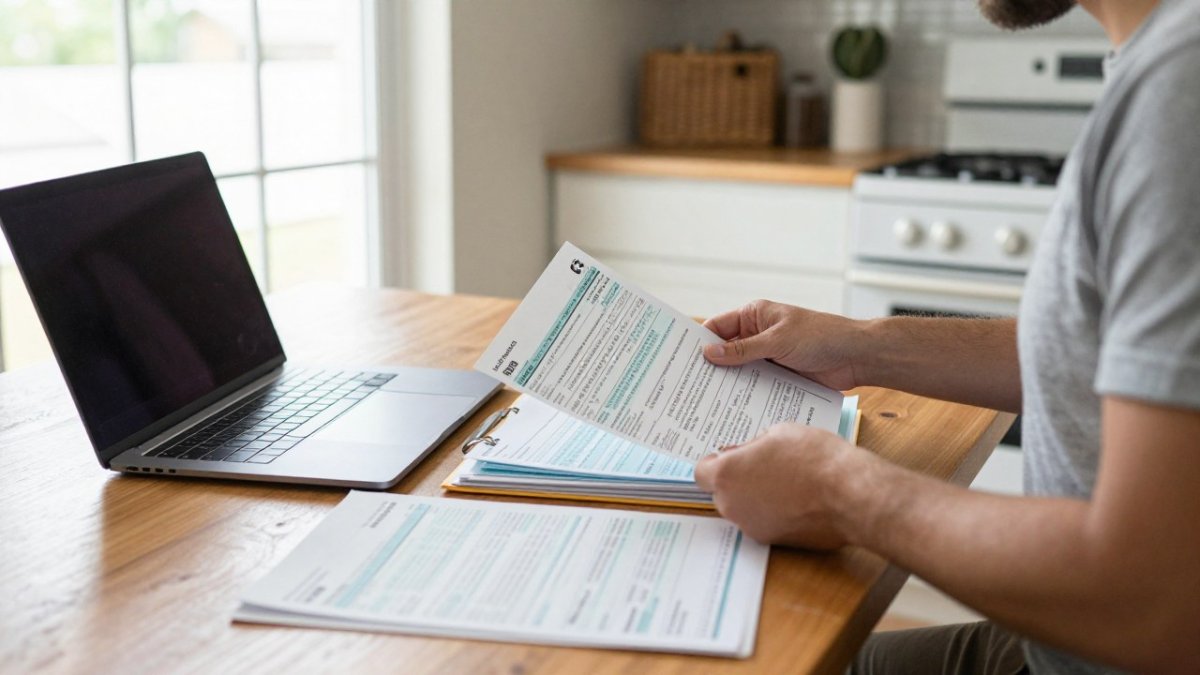
- Government-issued photo ID and Social Security number
- Pay stubs covering the last 30 days
- W-2 forms and federal tax returns for the past two years
- Bank and investment statements for the last two to three months
- Records of any gift funds and a signed gift letter
- Documentation of other debts, such as loans and credit cards
- Divorce decrees or court orders, if they apply
Self-employed applicants should add profit and loss statements and business tax returns.
Where to Apply for an FHA Loan and What Happens Next
You can apply with a bank, credit union, or mortgage company that offers FHA loans. Compare rates, fees, and lender responsiveness. Ask each lender for a loan estimate so you can compare costs side by side.
After you apply, the lender orders an appraisal and reviews your file through underwriting. You may get requests for more documents. Respond quickly, since delays can push back your closing date.
Once underwriting approves the loan, you move to closing. Expect to pay closing costs and the upfront mortgage insurance premium, plus the annual mortgage insurance that continues over the life of many FHA loans.
Start Your Ventura County FHA Preapproval This Week
The fastest way to learn where you stand is a preapproval. Gather your documents, check your credit, and contact a lender who works with FHA loans in Ventura County. Your preapproval tells you what price range fits your finances.
At 805forsale.com, we help buyers and sellers in Ventura County with their real estate goals.
[LIST CARD]
Frequently Asked Questions
How hard is it to qualify for an FHA loan in California?
For most buyers, FHA qualifying is more forgiving than conventional financing. The FHA allows a credit score as low as 580 with a 3.5% down payment, and borrowers with scores between 500 and 579 may still qualify with 10% down. Lenders also review your debt-to-income ratio and employment history. The main difficulty in California is usually the price: many Ventura County homes exceed FHA loan limits, so checking the current county limit early saves time.
What credit score do you need for an FHA loan?
The FHA sets a minimum credit score of 580 for the standard 3.5% down payment option. Borrowers with scores from 500 to 579 can qualify with a 10% down payment. Individual lenders often set higher minimums, commonly 620 or above, through their own overlays. Ask a lender for their specific minimum before you start shopping for a property, because a score just below their cutoff can delay approval.
How much is the FHA loan limit in Ventura County?
FHA loan limits are set annually and vary by county and by the number of units in the property. Check the current Ventura County limit for a single-family home on the HUD website or with your lender, since the figure is updated each year. A property priced above the limit generally cannot be financed with an FHA loan, and you would need a conventional or jumbo loan instead.
Where can you apply for an FHA loan?
You can apply through FHA-approved lenders, including banks, credit unions and mortgage companies. Many buyers in Ventura County also apply through a local mortgage broker who can compare several lenders. Ask each lender whether they are approved to originate FHA loans, and compare interest rates, lender fees and their typical preapproval timeline before choosing one.