 ultimate-guide
First-Time Home Buyer Tips: Your Ventura County Guide
Table of Contents
- Understanding the Local Ventura County Market
- Determining Your Home Buying Budget
- The Pre-Approval Process for Home Loans
- Down Payment Assistance Programs in Ventura County
- Best Neighborhoods in Ventura County 2026
- Home Inspections, Contingencies, and Closing Costs for Buyers
- First-Time Homebuyer Mistakes to Avoid
- Your First-Time Home Buyer Action Plan
Last Updated: August 23, 2026
According to recent market analysis, first-time home buyer tips have become essential for navigating one of the most competitive real estate markets in the country. At 805forsale.com, we help buyers and sellers accomplish their real estate goals in Ventura County, and we know the process can feel overwhelming without proper guidance. This guide breaks down everything you need to know about buying your first home here, from understanding market conditions to closing day.
Understanding the Local Ventura County Market
Ventura County's real estate landscape has shifted dramatically, with home values climbing, inventory remaining tight, and fierce competition among buyers. Days-on-market for residential properties average between 20-35 days, depending on neighborhood and price point, meaning you need to move quickly when you find a suitable property.
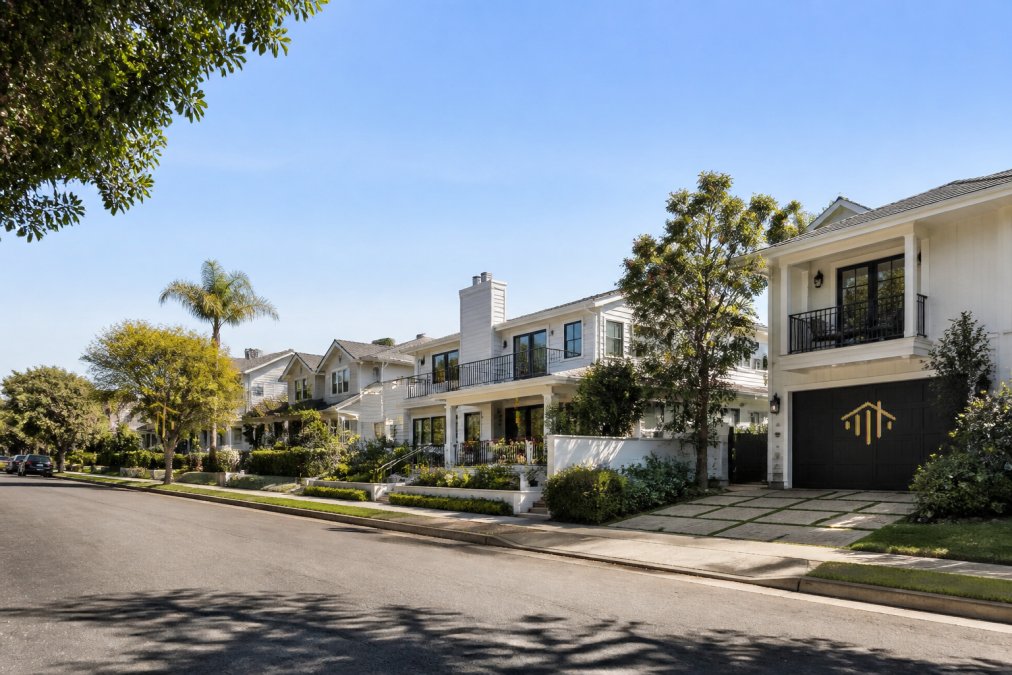
The county's proximity to beaches, employment centers, and lifestyle amenities keeps demand high. Properties in established neighborhoods tend to appreciate steadily, while newer developments offer modern construction but may lack community character. Property taxes in Ventura County are assessed at approximately 0.76% of assessed value, below the national average, making the market attractive despite higher purchase prices.
Determining Your Home Buying Budget
Before searching for listings, calculate your debt-to-income ratio. Lenders typically want this at 43% or lower (consumerfinance.gov). If you earn $8,000 per month and have $2,000 in existing debt payments, you can carry approximately $1,400 in new mortgage payment before hitting the 43% threshold.
Consider your down payment capacity. While some programs allow 3% down, putting down 10-20% gives better loan terms and eliminates private mortgage insurance. Your credit score directly impacts your interest rate, scores above 740 typically qualify for the best rates (consumerfinance.gov). Use these numbers to establish your maximum purchase price, keeping in mind that a general rule suggests your home purchase price should not exceed 3 times your gross annual income.
The Pre-Approval Process for Home Loans
Mortgage pre-approval is where planning transitions to action. The process typically takes 3-5 business days and requires documentation including recent tax returns, pay stubs, bank statements, and employment verification.

Pre-approval shows sellers you're a serious, qualified buyer, clarifies your budget before emotional attachment to properties, and locks in your interest rate for 60-90 days. When comparing loan programs, understand that fixed-rate mortgages maintain the same interest rate throughout the loan term, providing predictability, while adjustable-rate mortgages start with lower rates but adjust periodically. For first-time buyers, fixed-rate mortgages typically offer more security.
Down Payment Assistance Programs in Ventura County
Many first-time homebuyers can access down payment assistance programs that reduce or eliminate upfront capital requirements. The Federal Housing Administration insures loans with down payments as low as 3.5%, making homeownership possible for buyers with limited savings (hud.gov). California Housing Finance Agency programs offer down payment assistance to qualified first-time homebuyers through grants or second mortgages.
Ventura County's local programs vary by city and municipality. Contact your city's housing authority or community development department to learn about local options. Employer-sponsored down payment assistance is another avenue, check with your human resources department. Note that these programs often require you to live in the property as your primary residence for a specific period and may have income limits or require homebuyer education courses.
Best Neighborhoods in Ventura County 2026
Choosing the right neighborhood is as important as choosing the right home. Ojai offers small-town charm with mountain views and a strong arts community, appealing to remote workers and retirees. Thousand Oaks combines suburban comfort with excellent schools and family-friendly amenities, with properties that typically appreciate steadily. Camarillo provides more affordable entry points while maintaining good schools and convenient freeway access. Oxnard offers coastal proximity and cultural diversity, with waterfront properties commanding premiums but inland neighborhoods providing better value. Port Hueneme combines military community stability with waterfront living and tends to have less competitive markets than other Ventura neighborhoods.
When evaluating neighborhoods, research school ratings if you have children, analyze commute times to your workplace, and visit at different times of day to assess traffic and activity levels.
Home Inspections, Contingencies, and Closing Costs for Buyers
What to Expect During Home Inspection
The home inspection occurs after your offer is accepted and typically takes 2-4 hours depending on home size. A licensed inspector examines the home's structural integrity, mechanical systems, roof, plumbing, electrical, and overall condition. You should attend and ask questions about any concerns. The inspector provides a detailed report that becomes your negotiation tool if repairs are needed.
Understanding Contingencies
Contingencies are conditions that must be satisfied for your purchase to proceed. The home inspection contingency allows you to renegotiate or withdraw if significant issues are discovered. The appraisal contingency protects you if the home appraises for less than your offer price. The financing contingency gives you an exit if your lender denies your loan application. Waiving contingencies makes your offer more attractive to sellers in competitive markets, but it increases your risk. As a first-time homebuyer, maintaining contingencies provides essential protection.
Breaking Down Closing Costs
Closing costs typically range from 2-5% of your purchase price and include loan origination fees, appraisal, title insurance, recording fees, and escrow services. The loan origination fee typically ranges from 0.5-1% of the loan amount. Title insurance protects you and your lender against ownership disputes or liens. Escrow fees cover the neutral third party managing funds and documents during closing. Many closing costs are negotiable, and sellers sometimes pay part of buyer's closing costs as a concession during negotiations.
First-Time Homebuyer Mistakes to Avoid
The biggest mistake is making large purchases or taking on new debt before closing. Lenders re-verify your credit and debt situation days before closing, and new debt can jeopardize loan approval. Avoid changing jobs or employment status during the mortgage process, as lenders want stable employment history.
Neglecting to save for post-purchase costs is another pitfall. Homeownership includes property taxes, insurance, maintenance, and utilities. Budget for these costs before purchasing to ensure you can comfortably afford homeownership.
Failing to get pre-approval before house hunting wastes time and sets unrealistic expectations. Skipping the home inspection to save money is penny-wise and pound-foolish, as the inspection fee is negligible compared to potential repair costs. Ignoring the importance of location is another mistake, you can renovate a home, but you can't change its location.
Your First-Time Home Buyer Action Plan
Transform your first-time homebuyer tips into concrete action with this step-by-step plan.
Month 1-2: Preparation Phase Check your credit report for errors and begin improving your score if needed. Calculate your debt-to-income ratio and determine your realistic budget. Research neighborhoods in Ventura County that match your lifestyle and budget.
Month 3: Pre-Approval Phase Gather financial documentation including tax returns, pay stubs, and bank statements. Contact 3-5 lenders and request pre-approval quotes. Select your lender and complete the pre-approval process.
Month 4-6: Active Search Phase Begin touring homes in your target neighborhoods. Work with a real estate agent familiar with Ventura County's market. Focus on homes within your pre-approved budget.
Month 7: Offer and Negotiation Phase When you find the right home, submit your offer with appropriate contingencies. Once accepted, order the home inspection. Review inspection results and request repairs or credits as needed. Finalize your loan application.
Month 8: Final Phase Conduct a final walkthrough 24 hours before closing. Review your closing disclosure document 3 business days before closing. Schedule your homeowners insurance and arrange your down payment funds and closing costs.
Phase | Timeline | Key Actions |
|---|---|---|
Preparation | Month 1-2 | Check credit, calculate budget, research neighborhoods |
Pre-Approval | Month 3 | Gather documents, compare lenders, get pre-approval |
Active Search | Month 4-6 | Tour homes, work with agent, find property |
Offer & Negotiation | Month 7 | Submit offer, inspect, negotiate repairs |
Final Phase | Month 8 | Final walkthrough, review documents, close |
Buying your first home in Ventura County is achievable when you understand the market and follow a structured process. The best first-time homebuyer tips emphasize preparation, pre-approval, and professional guidance. At 805forsale.com, we specialize in helping buyers and sellers accomplish their real estate goals in Ventura County. We provide market insights specific to your target neighborhoods, help you understand loan programs designed for first-time buyers, and guide you through negotiations to ensure you get fair value. Get started with 805forsale.com and turn your homeownership goals into reality.
Frequently Asked Questions
What are the most common mistakes first-time home buyers make?
First-time home buyers often make five critical errors: not getting pre-approved before house hunting, neglecting to check their credit score, making large purchases or opening new credit lines before closing, skipping the home inspection to save money, and failing to budget for closing costs and post-purchase maintenance. Each of these can derail your purchase or cost you thousands. Working with an experienced agent can help you avoid these pitfalls and protect your investment from the start.
How much down payment assistance can I get as a first-time buyer in Ventura County?
Down payment assistance programs in Ventura County vary by income level and program. California's Dream for All program, for example, provides loans to help with down payments and closing costs for qualified buyers. CalHFA also offers programs with down payment assistance as low as 3% of purchase price. Specific amounts depend on your income, credit score, and the property price. Contact a local lender or HUD-approved counselor to see which programs you qualify for.
What should I expect to pay in closing costs when buying in this market?
Closing costs for buyers in Ventura typically range from 2-5% of the home purchase price and include loan origination fees, title insurance, escrow fees, appraisal, home inspection, and property taxes. Your lender will provide a Closing Disclosure at least three days before closing, detailing every fee. Factor these costs into your budget early—they're not optional and can significantly impact your total out-of-pocket expense.
How does the pre-approval process for home loans work?
Pre-approval involves meeting with a lender who verifies your income, credit score, debt-to-income ratio, and assets. The lender then issues a pre-approval letter stating the maximum loan amount you qualify for. This process typically takes 1-3 days and costs nothing. Pre-approval is different from pre-qualification, which is just an estimate. With pre-approval in hand, you're a stronger buyer in a competitive market, and sellers take your offer more seriously.
What neighborhoods in Ventura County are best for first-time buyers?
Best neighborhoods in Ventura County 2026 depend on your budget and lifestyle. Oxnard offers more affordable entry points with growing inventory. Thousand Oaks appeals to families seeking schools and open space. Camarillo provides suburban comfort with reasonable pricing. Port Hueneme has waterfront charm at lower price points. Ojai attracts buyers seeking a smaller-town feel. Research days-on-market, property tax rates, homeowners insurance costs, and school ratings in each area to find your fit.
What is the 3-3-3 rule for buying a house?
The 3-3-3 rule is a guideline suggesting you spend no more than 3 years saving for a down payment, plan to stay in the home at least 3 years to recoup closing costs, and expect home value to appreciate by 3% annually. While this rule isn't absolute, it helps first-time buyers think long-term about homeownership. In Ventura's market, appreciation has historically varied, but rates vary by neighborhood and economic conditions.
How much house can I afford if I make $70,000 a year?
Lenders typically use a debt-to-income ratio of 43%, meaning your total monthly debt payments shouldn't exceed 43% of gross income. At $70,000 annually, your maximum monthly debt is about $2,520. After accounting for existing debt, your mortgage payment capacity is lower. Using a 6% interest rate, this might support a loan around $350,000-$400,000, depending on down payment and other debts. Consult a lender for an exact pre-approval amount.
This article was written using GrandRanker
Frequently Asked Questions
What are the most common mistakes first-time home buyers make?
First-time home buyers often make five critical errors: not getting pre-approved before house hunting, neglecting to check their credit score, making large purchases or opening new credit lines before closing, skipping the home inspection to save money, and failing to budget for closing costs and post-purchase maintenance. Each of these can derail your purchase or cost you thousands. Working with an experienced agent can help you avoid these pitfalls and protect your investment from the start.
How much down payment assistance can I get as a first-time buyer in Ventura County?
Down payment assistance programs in Ventura County vary by income level and program. California's Dream for All program, for example, provides loans to help with down payments and closing costs for qualified buyers. CalHFA also offers programs with down payment assistance as low as 3% of purchase price. Specific amounts depend on your income, credit score, and the property price. Contact a local lender or HUD-approved counselor to see which programs you qualify for.
What should I expect to pay in closing costs when buying in this market?
Closing costs for buyers in Ventura typically range from 2-5% of the home purchase price and include loan origination fees, title insurance, escrow fees, appraisal, home inspection, and property taxes. Your lender will provide a Closing Disclosure at least three days before closing, detailing every fee. Factor these costs into your budget early—they're not optional and can significantly impact your total out-of-pocket expense.
How does the pre-approval process for home loans work?
Pre-approval involves meeting with a lender who verifies your income, credit score, debt-to-income ratio, and assets. The lender then issues a pre-approval letter stating the maximum loan amount you qualify for. This process typically takes 1-3 days and costs nothing. Pre-approval is different from pre-qualification, which is just an estimate. With pre-approval in hand, you're a stronger buyer in a competitive market, and sellers take your offer more seriously.
What neighborhoods in Ventura County are best for first-time buyers?
Best neighborhoods in Ventura County 2026 depend on your budget and lifestyle. Oxnard offers more affordable entry points with growing inventory. Thousand Oaks appeals to families seeking schools and open space. Camarillo provides suburban comfort with reasonable pricing. Port Hueneme has waterfront charm at lower price points. Ojai attracts buyers seeking a smaller-town feel. Research days-on-market, property tax rates, homeowners insurance costs, and school ratings in each area to find your fit.
What is the 3-3-3 rule for buying a house?
The 3-3-3 rule is a guideline suggesting you spend no more than 3 years saving for a down payment, plan to stay in the home at least 3 years to recoup closing costs, and expect home value to appreciate by 3% annually. While this rule isn't absolute, it helps first-time buyers think long-term about homeownership. In Ventura's market, appreciation has historically varied, but rates vary by neighborhood and economic conditions.
How much house can I afford if I make $70,000 a year?
Lenders typically use a debt-to-income ratio of 43%, meaning your total monthly debt payments shouldn't exceed 43% of gross income. At $70,000 annually, your maximum monthly debt is about $2,520. After accounting for existing debt, your mortgage payment capacity is lower. Using a 6% interest rate, this might support a loan around $350,000-$400,000, depending on down payment and other debts. Consult a lender for an exact pre-approval amount.